

Cryogenic Liquid Truck
What Is Cryogenic Liquid Truck
Cryogenic liquid trucks are used for transportation and delivery of cryogenic liquids when high-volume transport is needed in the absence of pipelines. For instance, liquification of hydrogen requires cooling to cryogenic temperatures through a liquefaction process. For longer distances, hydrogen is transported as a liquid in cryogenic liquid trucks. After liquefaction, the liquid hydrogen is dispensed to delivery trucks and transported to distribution sites, where it is vaporized to a high-pressure gaseous product for dispensing. Increase in demand for cryogenic gases from diverse industries, rise in demand for LNG, and increase in adoption of clean energy sources are the major factors that propel the market growth.
Advantages of Cryogenic Liquid Truck
Stability
The stability of the cryogenic liquid truck, especially one carrying liquids like oils and liquefied flammable gases, is of paramount importance.
Liquid Extraction And Maintenance
A cylinder, as you can imagine, is more favorable when it comes to extracting the liquid contents of the cryogenic liquid truck.
Safe transportation
Cryogenic liquid trucks are designed to safely transport extremely cold liquids like liquid nitrogen, liquid oxygen, and liquid argon, ensuring the integrity of the materials being transported.
Versatility
Cryogenic liquid trucks can transport a variety of cryogenic liquids, making them versatile for different industries and applications.
-
![Large Chemical High Vacuum Pressure Vessel Cryogenic Liquid Carbon Dioxide Semi-trailer]() Large Chemical High Vacuum Pressure Vessel Cryogenic Liqu...Cryogenic liquid carbon dioxide semi-trailers are indispensable "cryogenic transportation experts" in modern industry. With their sophisticated design and reliable performance, they protect the...read more
Large Chemical High Vacuum Pressure Vessel Cryogenic Liqu...Cryogenic liquid carbon dioxide semi-trailers are indispensable "cryogenic transportation experts" in modern industry. With their sophisticated design and reliable performance, they protect the...read more -
![High Safety Level Low Temperature Cryogenic Liquid Argon Semi-trailer Tank]() High Safety Level Low Temperature Cryogenic Liquid Argon ...Factory Customized Tri-axle 26000 Liters Liquid Argon Transport Tanker Semi Trailers For Sale Product introduction We company is engaging in manufacturing 40ft flatbed semi trailer, 3 axle 4 axle...read more
High Safety Level Low Temperature Cryogenic Liquid Argon ...Factory Customized Tri-axle 26000 Liters Liquid Argon Transport Tanker Semi Trailers For Sale Product introduction We company is engaging in manufacturing 40ft flatbed semi trailer, 3 axle 4 axle...read more -
![Chemical Industrial Cryogenic Liquid Nitrogen Semi-trailer Tank]() Chemical Industrial Cryogenic Liquid Nitrogen Semi-traile...Factory Customized Tri-axle 26000 Liters Liquid Argon Transport Tanker Semi Trailers For Sale Product introduction We company is engaging in manufacturing 40ft flatbed semi trailer, 3 axle 4 axle...read more
Chemical Industrial Cryogenic Liquid Nitrogen Semi-traile...Factory Customized Tri-axle 26000 Liters Liquid Argon Transport Tanker Semi Trailers For Sale Product introduction We company is engaging in manufacturing 40ft flatbed semi trailer, 3 axle 4 axle...read more -
![Best Quality Low Price Cryogenic Liquid Oxygen Tank Semi-trailer For Industrial Use]() Best Quality Low Price Cryogenic Liquid Oxygen Tank Semi-...Factory Customized Tri-axle 26000 Liters Liquid Argon Transport Tanker Semi Trailers For Sale Product introduction We company is engaging in manufacturing 40ft flatbed semi trailer, 3 axle 4 axle...read more
Best Quality Low Price Cryogenic Liquid Oxygen Tank Semi-...Factory Customized Tri-axle 26000 Liters Liquid Argon Transport Tanker Semi Trailers For Sale Product introduction We company is engaging in manufacturing 40ft flatbed semi trailer, 3 axle 4 axle...read more -
![Cryogenic Lng Tank Semi-trailer For Industrial Use]() Cryogenic Lng Tank Semi-trailer For Industrial UseFactory Customized Tri-axle 26000 Liters Liquid Argon Transport Tanker Semi Trailers For Sale Product introduction We company is engaging in manufacturing 40ft flatbed semi trailer, 3 axle 4 axle...read more
Cryogenic Lng Tank Semi-trailer For Industrial UseFactory Customized Tri-axle 26000 Liters Liquid Argon Transport Tanker Semi Trailers For Sale Product introduction We company is engaging in manufacturing 40ft flatbed semi trailer, 3 axle 4 axle...read more -
![Double Layer Insulation Cryogenic Liquid Argon Semi-trailer Tank]() Double Layer Insulation Cryogenic Liquid Argon Semi-trail...Factory Customized Tri-axle 26000 Liters Liquid Argon Transport Tanker Semi Trailers For Sale Product introduction We company is engaging in manufacturing 40ft flatbed semi trailer, 3 axle 4 axle...read more
Double Layer Insulation Cryogenic Liquid Argon Semi-trail...Factory Customized Tri-axle 26000 Liters Liquid Argon Transport Tanker Semi Trailers For Sale Product introduction We company is engaging in manufacturing 40ft flatbed semi trailer, 3 axle 4 axle...read more -
![High Quality Low Temperature Cryogenic Liquid Semi-trailer Tank]() High Quality Low Temperature Cryogenic Liquid Semi-traile...Factory Customized Tri-axle 26000 Liters Liquid Argon Transport Tanker Semi Trailers For Sale Product introduction We company is engaging in manufacturing 40ft flatbed semi trailer, 3 axle 4 axle...read more
High Quality Low Temperature Cryogenic Liquid Semi-traile...Factory Customized Tri-axle 26000 Liters Liquid Argon Transport Tanker Semi Trailers For Sale Product introduction We company is engaging in manufacturing 40ft flatbed semi trailer, 3 axle 4 axle...read more -
![CNCD Customized Sale Cryogenic Liquid Nitrogen Semi-trailer Tank]() CNCD Customized Sale Cryogenic Liquid Nitrogen Semi-trail...Factory Customized Tri-axle 26000 Liters Liquid Argon Transport Tanker Semi Trailers For Sale Product introduction We company is engaging in manufacturing 40ft flatbed semi trailer, 3 axle 4 axle...read more
CNCD Customized Sale Cryogenic Liquid Nitrogen Semi-trail...Factory Customized Tri-axle 26000 Liters Liquid Argon Transport Tanker Semi Trailers For Sale Product introduction We company is engaging in manufacturing 40ft flatbed semi trailer, 3 axle 4 axle...read more -
![Cryogenic Liquid Oxygen Tank Semi-trailer For Industrial Use]() Cryogenic Liquid Oxygen Tank Semi-trailer For Industrial UseFactory Customized Tri-axle 26000 Liters Liquid Argon Transport Tanker Semi Trailers For Sale Product introduction We company is engaging in manufacturing 40ft flatbed semi trailer, 3 axle 4 axle...read more
Cryogenic Liquid Oxygen Tank Semi-trailer For Industrial UseFactory Customized Tri-axle 26000 Liters Liquid Argon Transport Tanker Semi Trailers For Sale Product introduction We company is engaging in manufacturing 40ft flatbed semi trailer, 3 axle 4 axle...read more -
![Factory Best Sales Low Price Vacuum Industrial Cryogenic Liquid LNG Semi-trailer]() Factory Best Sales Low Price Vacuum Industrial Cryogenic ...Factory Customized Tri-axle 26000 Liters Liquid Argon Transport Tanker Semi Trailers For Sale Product introduction We company is engaging in manufacturing 40ft flatbed semi trailer, 3 axle 4 axle...read more
Factory Best Sales Low Price Vacuum Industrial Cryogenic ...Factory Customized Tri-axle 26000 Liters Liquid Argon Transport Tanker Semi Trailers For Sale Product introduction We company is engaging in manufacturing 40ft flatbed semi trailer, 3 axle 4 axle...read more -
![2025 Best PriceCryogenic Liquid Carbon Dioxide Semi-trailer]() 2025 Best PriceCryogenic Liquid Carbon Dioxide Semi-trailerFactory Customized Tri-axle 26000 Liters Liquid Argon Transport Tanker Semi Trailers For Sale Product introduction We company is engaging in manufacturing 40ft flatbed semi trailer, 3 axle 4 axle...read more
2025 Best PriceCryogenic Liquid Carbon Dioxide Semi-trailerFactory Customized Tri-axle 26000 Liters Liquid Argon Transport Tanker Semi Trailers For Sale Product introduction We company is engaging in manufacturing 40ft flatbed semi trailer, 3 axle 4 axle...read more -
![Factory Customized Tri-axle 26000 Liters Liquid Argon Transport Tanker Semi Trailers For Sale]() Factory Customized Tri-axle 26000 Liters Liquid Argon Tra...Factory Customized Tri-axle 26000 Liters Liquid Argon Transport Tanker Semi Trailers For Sale Product introduction We company is engaging in manufacturing 40ft flatbed semi trailer, 3 axle 4 axle...read more
Factory Customized Tri-axle 26000 Liters Liquid Argon Tra...Factory Customized Tri-axle 26000 Liters Liquid Argon Transport Tanker Semi Trailers For Sale Product introduction We company is engaging in manufacturing 40ft flatbed semi trailer, 3 axle 4 axle...read more


Why Choose Us
Profession team
We are a company dedicated to the research, design, manufacturing, and installation of pressure vessels, cryogenic equipment, and gas equipment etc.
Quality assurance
We adhere to stringent quality control processes to deliver reliable and high-performance products that exceed industry standards.
Our certificate
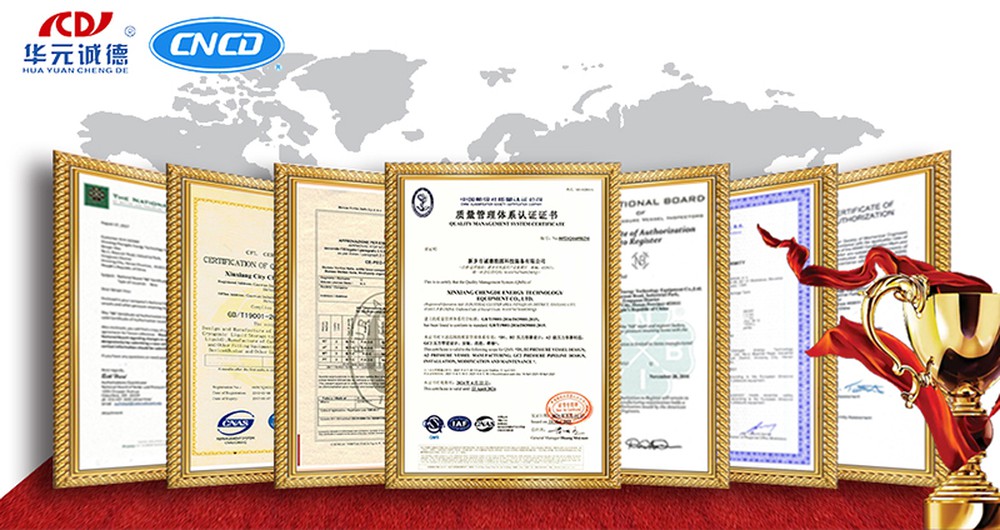
We have been awarded the National Low-Temperature Testing Center Product Type Certification.
Our company holds the D-level (including vacuum insulation vessels) pressure vessel manufacturing (including installation, repair).
After-sales service
Dedicated to strict quality control and thoughtful customer service, our experienced staff members are always available to discuss your requirements and ensure full customer satisfaction.
Cryogenic liquids (also known as cryogens) are gases at normal temperatures and pressures. However, at low temperatures, they are in their liquid state. These liquids are extremely cold and have boiling points less than -150°C (- 238°F). Even the vapors and gases released from cryogenic liquids are very cold. They often condense the moisture in air, creating a highly visible fog. Different cryogens become liquids under different conditions of temperature and pressure, but all have two properties in common; extremely cold and small amounts of liquid can expand into very large volumes of gas. Everyone who works with cryogenic liquids must be aware of their hazards and know how to work safely with them.
Each cryogenic liquid has its own specific properties. Inert gases do not react chemically to any great extent. They do not burn or support combustion. Examples of this group are nitrogen, helium, neon, argon and krypton. Some cryogenic liquids produce a gas that can burn in air. The most common examples are hydrogen, methane, carbon monoxide, and liquefied natural gas. Many materials considered as non-combustible can burn in the presence of liquid oxygen. Organic materials can react explosively with liquid oxygen. The hazards and handling precautions of liquid oxygen must therefore be considered separately from other cryogenic liquids.
Be sure to work in a well ventilated area to prevent oxygen deficient atmospheres under 19.5% oxygen. Wear safety shoes when handling containers along with long sleeve shirts and trousers without cuffs.
ALWAYS wear a full face shield and splash resistant safety goggles. Contact lenses should not be worn. Wear a lab coat and an apron when dispensing liquid nitrogen. Wear insulated or leather gloves when handling liquid nitrogen or large, cold objects. Never allow any unprotected part of the body to touch noninsulated pipes or vessels which contain cryogenic fluids. Tissue damage that results is similar to frostbite or thermal burns. The extremely cold metal will cause flesh to stick fast and tear when one attempts to withdraw from it. Use a suitable hand truck for container movement. Do not drop, tip, or roll containers on their sides. Do not remove or interchange connections.
Many substances become brittle and may shatter when cold, sending pieces of the material flying. Avoid common glass and large, solid plastics.
Designs for Cryogenic Liquid Truck


Liquid hydrogen (LH2) is typically stored in cylindrical tanks. Spherical tanks can carry a significant amount of liquid. cryogenic liquid truck are vacuum insulated to minimize evaporation losses and contain redundant pressure release mechanisms to prevent over-pressurization. Liquid hydrogen tanks typically operate at pressures of up to 850 kPa (123 psi).
The pressure release system will function at a maximum pressure of 1,035 kPa (150 psi) in most tanks. Even if hydrogen is not drawn from the tank, LH2 evaporation will occur, and the resulting pressure will be released on a regular basis by the pressure relief mechanism as part of normal operation.
Stationary tank supports should be able to resist fire exposure without failing. The paperwork for each vessel should include a description of the vessel, a list of available drawings or other materials, the most recent inspection results, and the name of the responsible person. Vessels must also be marked in accordance with the applicable regulations. A warning labeled “Do not spray water on or into the vent hole” should be displayed on the vessel near the pressure-relief valve vent stack.
Cryogenic liquid truck are used to safeguard cryogenic liquids. Cryogenic liquids are liquefied gases that have temperatures of -150 °C or below. Byproducts include oxygen, argon, nitrogen, hydrogen, and helium. cryogenic liquid truck may also be used to store gases at higher temperatures, such as LNG, carbon dioxide, and nitrous oxide. These are components of gas supply systems used in a number of sectors including metal processing, medical technology, electronics, water treatment, energy generation, and food processing. Low temperature chilling uses using cryogenic liquids include engineering shrink fitting, food freezing, and bio-sample storage.
Cryogenic liquid truck are thermally insulated and are typically equipped with a vacuum jacket. They are created and manufactured to stringent standards in compliance with international design criteria. They might be fixed, movable, or transportable.
Static cryogenic liquid truck are designed for permanent usage; however, transportable small tanks on wheels for use in workshops and laboratories are provided. Because static cryogenic liquid truck are typically classified as pressure vessels, new tanks and their associated systems will be built and installed in accordance with the pressure equipment safety regulations. For applications requiring direct access to the liquid, non-pressurized open neck vessels (Dewar flasks) are also available.
Operation and Maintenance of Cryogenic Liquid Trucks
All applicable regulations, such as the pressure systems safety regulations for static tanks and the carriage of dangerous goods and use of transportable pressure equipment regulations for transportable tanks, must be followed when operating and maintaining cryogenic liquid truck. cryogenic liquid truck must be maintained and operated by trained personnel.
The regulations require cryogenic liquid truck to be inspected on a regular basis, as well as routinely maintained and subjected to formal examinations on a periodic basis for static tanks. To ensure that the tank is in safe operating condition between official examination times, an inspection and maintenance program should be created.
Cryogenic tank users and owners have legal obligations as well as a duty of care to ensure that their equipment is properly maintained and operated. The user must undertake routine safety inspections. Daily inspections must be carried out. A gas company will only fill a tank if it believes it is safe to do so. While in use, a small amount of icing and ice may be visible. Small levels of ice are not cause for concern, but the quantity of ice should be checked on a frequent basis. To minimize excessive ice collection, de-icing should be conducted if ice continues to accumulate.
Any repair or modification to a cryogenic tank should be performed only by a skilled repairer in accordance with the design codes to which it was constructed, while taking current regulations and legislation into account. Such repairs or adjustments must not affect the structural integrity or the operation of any protective systems. All repairs and adjustments must be documented, and the documentation must be kept for the rest of the tank’ s life.
Cryogenic liquid truck must be assessed on a regular basis to ensure that they are safe to use. The revalidation period, which shall not exceed 20 years, shall be determined by a Competent Person. Mobile tanks should be rented for a shorter period of time due to the nature of their function. When a tank is revalidated, a report is created that must be kept with the tank data for the life of the tank.
Precautions for Using Cryogenic Liquid Trucks
With the cryo-tank solution developed, it will be possible to achieve around twice the range of gaseous H2 in the future. The low space requirement of the tank systems which we have developed enables a high transport volume and causes an extremely low payload loss. As a prototype for the tank system, a double-walled, vacuum-insulated stainless steel tank is being developed. It offers the highest possible hydrogen capacity in the existing installation space.
Adopting high-vacuum multi-layer winding heat insulation method, high vacuum degree. Light weight, large capacity, short cold tank time and low static evaporation rate. The design pressure of this truck (1.6 MPa) is higher than that of a large ordinary tank truck (0.8 MPa), so the liquid discharge speed is fast. It can directly fill Dewar flasks, quick and easy cooling equipment, fast and convenient, and has a self-pressurized unloading truck and The self-pressurized loading function does not require a booster pump and can realize the loading and unloading functions.
The following considerations must be observed to ensure safe and efficient installation of cryogenic liquid truck and their ancillary components and the rest of the elements. Choosing the right location,this applies to both outdoor and indoor equipment. As a general rule, it is wise to place the cryogenic tank near where the cryogen will be used. Anticipate potential safety hazards,this includes putting together the proper containment system to prevent leaks, as well as evacuation routes within the site and avoiding bituminous products. Consideration of vehicle accessibility - an important consideration is how the cryogenics will be replenished.
Introduction to Technical Applications of Cryogenic Liquid Trucks
Cryogenic liquids may be no strangers to everyone, in the liquid methane, ethane, propane, propylene, etc., all belong to the category of cryogenic liquids, such cryogenic liquids not only belong to flammable and explosive products, but also belong to low-temperature media, and transportation and storage process must pay attention to safety. Because of the inflammable and explosive characteristics of cryogenic liquid, there are higher requirements for the thermal insulation performance of the tanker, and the cryogenic thermal insulation technology is widely used in the tank structure.
Tanks used on cryogenic thermal insulation technology is mainly in order to try to reduce by convection and heat conduction and radiation heat leakage of cryogenic equipment, insulation of cryogenic liquid tank truck is not simply a kind of way, according to the storage of physical features and use requirement of liquefied gas, there are different ways of cryogenic insulation.
Cryogenic insulation technology including the high vacuum multilayer insulation, vacuum powder and fiber insulation, a variety of forms such as accumulation of insulation, is most common in the cryogenic liquid is liquefied natural gas (LNG), its main composition is liquefied methane, we see the LNG storage and transportation of the semi-trailer truck is most common ways of an insulated high vacuum multilayer insulation.
Cryogenic liquid truck is composed of tank body and semi-trailer frame two parts, wherein the tank body is composed of inner cylinder body, outer cylinder body, insulation layer and so on. High vacuum multilayer insulation technology is used on the tank body. The outer surface of the inner cylinder is wrapped with a multilayer insulation layer composed of multilayer aluminum foil and glass fiber paper. The number of aluminum foil layers directly affects the insulation effect of multilayer insulation layer.
High vacuum multilayer insulation simply is a lot of radiation protection screen, are installed in the vacuum interlayer between the inner and outer cylinder is mezzanine area, through to the processing of high vacuum sandwich, so as to reduce the radiation heat transfer of a form of thermal insulation, thermal insulation performance of high and low and the material, vacuum degree, multi-layer layer density and number of boundary temperature, and so on. In addition, the use of high vacuum multilayer insulation can reduce the weight of the vehicle, the vehicle weight is lighter, the precooling loss is smaller than vacuum powder. The stability is better than vacuum powder and the insulation layer is not easy to settle.
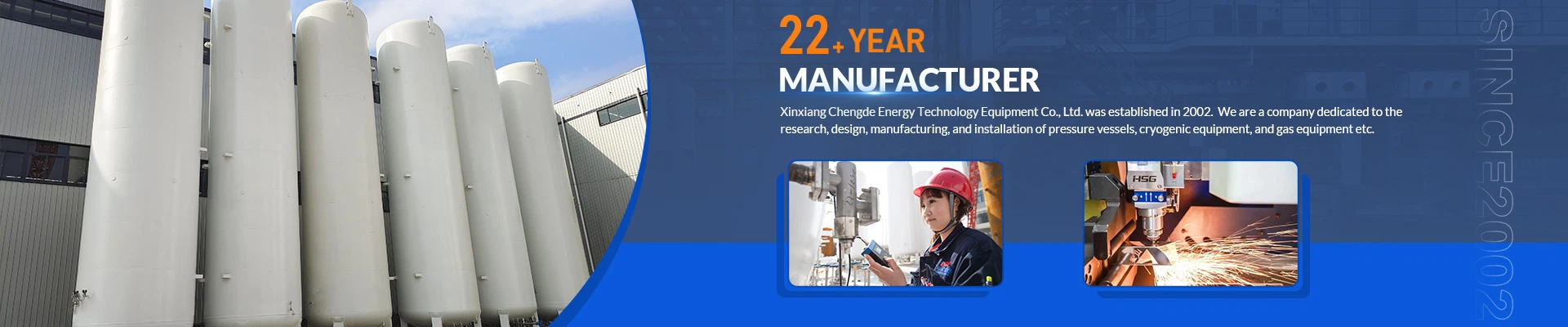
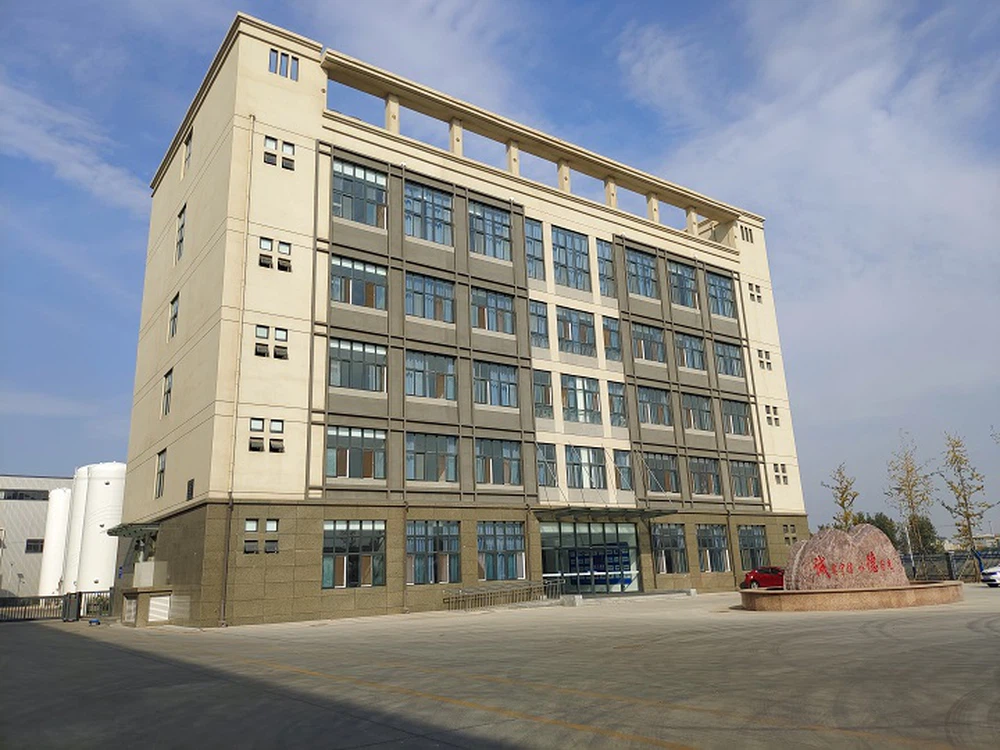
Xinxiang Chengde Energy Technology Equipment Co., Ltd. (formerly Chengde Gas Equipment Co., Ltd.) was established in 2002. We are a company dedicated to the research, design, manufacturing, and installation of pressure vessels, cryogenic equipment, and gas equipment etc. We have been awarded the National Low-Temperature Testing Center Product Type Certification, Henan Famous Brand Product, Henan Province High-tech Enterprise, Henan Province "Specialized, Refined, Unique, and New" Enterprise. We are authorized for foreign trade exports. Additionally, we have obtained the ISO 9001 International Quality System Certification, China Classification Society Factory Approval Certificate, and Ministry of Industry and Information Technology Vehicle Access Certificate, among other honors.
Certificate
FAQ
We're professional cryogenic liquid truck manufacturers and suppliers in China, specialized in providing high quality customized service. We warmly welcome you to buy cryogenic liquid truck in stock here from our factory. For price consultation, contact us.
tanker truck coating, marine lng consumption tank, marine lng trading tank