

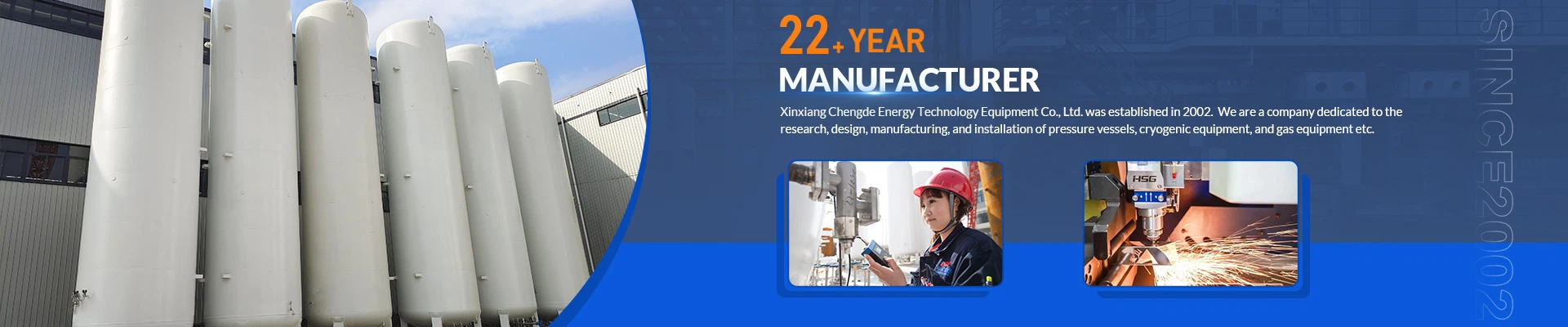
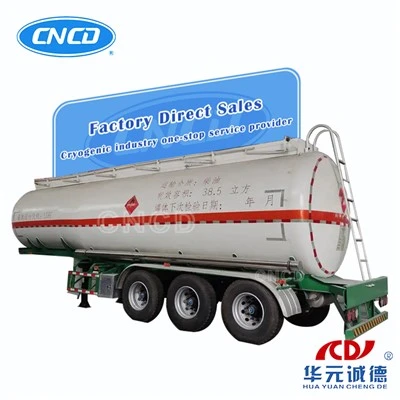
Diesel Fuel Tank Truck
What Is Diesel Fuel Tank Truck
By definition, a diesel fuel tank truck is a vehicle that is specifically designed to transport and deliver fuel to various locations, such as gas stations, airports, construction sites, etc. Diesel fuel tank trucks are equipped with large tanks that are used to store the fuel and a pump and hose system that is used to dispense the fuel. Some diesel fuel tank trucks are also equipped with additional storage tanks for other types of liquids, such as propane or lubricants. Fuel trucks are usually very large, heavy, and build to be rugged and durable.
Advantages of Diesel Fuel Tank Truck
Cost savings
Purchasing diesel fuel tank truckl in bulk or in regions with lower prices can lead to significant cost savings over time.
Increased productivity
By minimizing downtime spent rediesel fuel tank truckling, a diesel fuel tank truckl transfer tank can help increase productivity for individuals and businesses involved in construction, agriculture, or other industries requiring heavy equipment.
Emergency preparedness
diesel fuel tank truckl transfer tanks can serve as a valuable resource during emergencies or natural disasters when access to diesel fuel tank truckl may be limited.
Versatility
The ability to transport multiple types of diesel fuel tank truckl, including gasoline, diesel, kerosene, ethanol, methanol, and aviation diesel fuel tank truckl, allows for a wide range of applications and uses.
-
![Diesel Fuel Tanker]() Diesel Fuel TankerThe diesel fuel tank truck is a normal pressure tank car, single-layer structure, the diesel fuel tank truck body is composed of tank body and bottom frame two major componentsread more
Diesel Fuel TankerThe diesel fuel tank truck is a normal pressure tank car, single-layer structure, the diesel fuel tank truck body is composed of tank body and bottom frame two major componentsread more -
![Oil Tanker Trailer]() Oil Tanker TrailerThe oil tanker trailer is a single-layer atmospheric tank truck independently developed and designed by CNCDread more
Oil Tanker TrailerThe oil tanker trailer is a single-layer atmospheric tank truck independently developed and designed by CNCDread more -
![Diesel Tanker Trailer]() Diesel Tanker TrailerCNCD diesel tank truck trailer, using advanced tank truck design concept. Tank truck trailer selection of high-quality steel, automatic submerged arc welding, and the use of world famous brand...read more
Diesel Tanker TrailerCNCD diesel tank truck trailer, using advanced tank truck design concept. Tank truck trailer selection of high-quality steel, automatic submerged arc welding, and the use of world famous brand...read more

Why Choose Us
Profession team
We are a company dedicated to the research, design, manufacturing, and installation of pressure vessels, cryogenic equipment, and gas equipment etc.
Quality assurance
We adhere to stringent quality control processes to deliver reliable and high-performance products that exceed industry standards.
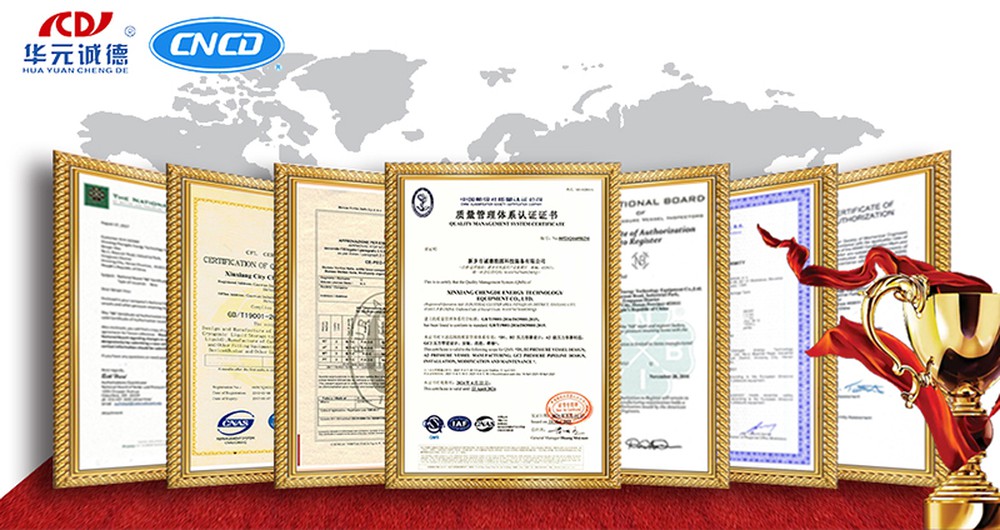
Our certificate
We have been awarded the National Low-Temperature Testing Center Product Type Certification.
Our company holds the D-level (including vacuum insulation vessels) pressure vessel manufacturing (including installation, repair).
After-sales service
Dedicated to strict quality control and thoughtful customer service, our experienced staff members are always available to discuss your requirements and ensure full customer satisfaction.
Basic Knowledge About Diesel Fuel Tank Truck
Diesel fuel tank truckl is the lifeblood of any haul and is easily one of the most uncertain factors in modern transportation today. The manufacture of diesel fuel tank truckl tanks is strictly governed by safety regulations.Fuel tanks of a capacity greater than 25 US gallons must adhere to specifications for spillage, leakage, mounting, impact survivability, weld requirements, venting and a host of other stipulations. The regulations require side-mounted fuel tanks to survive a 30-foot drop test, while non-side-mounted fuel tanks must survive a 10-foot drop test. Clear specifications are given as to what constitutes a successful drop test and how to conduct the test. The regulations also require, among other things, that fuel tanks pass a leakage test and a flame test.
Fuel truck drivers are responsible for driving the vehicle to the specified locations where the fuel is needed, connecting the hose to the fuel storage tank or fuel tanks being refilled, and operating the pump to transfer the fuel from the truck’ s storage tank to the destination tank. The truck driver must also ensure that the fuel is dispensed accurately and safely while keeping track of the fuel levels in the truck’ s storage tank. In addition to transporting and delivering fuel, fuel truck drivers may also be responsible for maintaining the truck equipment and performing basic repairs as needed.
How Does Water Get into Your Diesel Fuel Tank Truck



Condensation is one of the main ways water can be introduced to the tank and fuel line. diesel fuel tank truckl actually absorbs the water that is in the air and biodiesel absorbs even more water than standard fuel. When a fuel tank cools off after use, humid air can fill up the tank and cause condensation on the tank walls. In areas where the temperature fluctuates between high humidity and cooler temperatures, fuel storage tanks may experience more incidences of condensation.
Temperature fluctuations can also occur with diesel fuel tank truckl and tank equipment. When warm diesel fuel tank truckl enters a cool tank, additional moisture may build up as the diesel cools off. This is common in diesel fuel tank truckl tanks and can be managed when the water is drained periodically. diesel fuel tank truckl stored above ground is more affected by temperature changes than fuel stored underground. Fuel is less dense than water, so the water will sink to the bottom of the tank.
Water can also get into storage tanks through human error, like if a storage drum is left out in the open when it rains. If the diesel tanks have faulty seals then humid air and water can get inside. Poor fuel handling procedures can also lead to water accumulating in the fuel tank. For vehicles it is best to top off the fuel tanks before parking them at night, this reduces the amount of warm moist air in the tanks.
Water is considered a contaminant to your fuel system and can lead to rust, corrosion, a clog in the filtration system, and broken fuel injectors. While all fuel contains small amounts of water, too much water contamination can cause serious problems throughout the entire system. If too much water is in the diesel fuel tank truckl it can look hazy and dark.
When water is left in diesel for too long, bacteria and microorganisms can start to grow in this moist environment. These types of microbial growth will produce a layer of slime that can end up clogging filters. Bacteria can also move through the entire fuel system and cause corrosion and damage to various components. Microbes can be hard to remove from a fuel system so they should be addressed immediately.
Storage tanks for fuel are typically made with steel and iron, which can rust with exposure to water. When rust builds up, it can lead to clogged fuel filters and even affect the fuel injectors. If water and other contaminants make it to the fuel injectors, it can cause premature wear, corrosion, and metal parts to stick together.
Diesel engines depend on fuel to function as a lubricant, and water can negatively affect lubrication in the engine. When water isn’t removed efficiently, the fuel pump and injector can be damaged, which affects the efficiency of the engine.
How to Remove Water from a Diesel Fuel Tank Truck
The first step to removing water from a fuel tank is to test the fuel for water. You can extract a small amount of the fuel by hand with a bilge pump. Let the fuel sit in a clear container and in a dark place for about 24 hours. Water is denser than diesel, so if it is present then it will sink to the bottom of the container. A thin black layer between the water and fuel separation is also a sign that there are microbes in the fuel too.
If you determine there is water in the tank that needs to be removed, allow time for the fuel to settle without being moved or shaken. Then you can utilize the fuel-water separators to drain off any water that has accumulated. You may also need to use an appropriate pump with an extended hose to reach the bottom of the tank where water accumulates. When microbes are present in the fuel, you may need to add commercial biocide to the fuel. Keep in mind these microbes may well be present in your equipment that fuels from the storage tanks and the biocide will also kill microbes in the equipment.
For large storage tanks and underground fuel storage, draining water can be more challenging. There are companies that provide maintenance services for fuel storage that can effectively remove water and contaminants from a fuel tank. This may include using fuel additives that involve emulsifying or demulsifying. An emulsifier will combine the water with the fuel, while a demulsifier will separate the water from the fuel so it sinks to the bottom.
The Diesel Fuel Tank Truck System Consists of the Following Components
What To Know Before Buying A Diesel Fuel Tank Truck
One sure-fire method of extending a truck's mileage range and boosting mpg, is installing a large-capacity diesel fuel tank. The two most popular types of large-capacity diesel diesel fuel tank truck are steel or aluminum auxiliary cells that mount in a truck's bed and either feed the OEM tank, or are used for transferring fuel to other vehicles or machines, and injection-molded-plastic units that directly replace a pickup's stock rear- or midship-mounted fuel tank.
If you’ re about to replace your semi diesel fuel tank truck, there are several important things you need to know specifically about diesel fuel tank truck for trucks. You may discover that some aftermarket diesel fuel tank truck may be substandard while others are actually built to last longer than the original steel fuel tank.
If you plan to keep your truck a while the first question you should ask is about material thickness. The steel is a big part of the overall cost and could be a place where a manufacturer of aftermarket diesel fuel tank truck may cut corners without you knowing it. Steel diesel fuel tank truck should be a minimum of 12 gauge thickness.
Regardless of how long you plan to keep your truck, you don’ t want a steel fuel tank that drips. It may surprise you to learn that some manufacturers put their diesel fuel tank truck for sale without testing each one for leaks first. Instead they take one of their diesel diesel fuel tank truck off the line and do a random sample test.
What Types of Diesel Fuel Tank Trucks Are Available?
Diesel storage comes in a variety of types and sizes from drums and bowsers to above-ground diesel fuel tank truck and underground tanks. As above-ground diesel fuel tank truck are made for bulk liquid storage they tend to be used commercially. These are available for regular diesel and biodiesel, in plastic (polyethylene) and steel. Our standard tanks are available in sizes from 1,350 litres to 100,000 litres.
Bunded diesel fuel tank truck have two layers an inner tank and an outer tank (bund) which acts as a secondary containment (a tank within a tank). In the event of a leak from the main tank, the outer layer will contain all the oil which would otherwise risk contaminating the local area. Integrally bunded tanks are the most popular kind of secondary containment. The alternative involves constructing a bund from masonry or concrete which is inconvenient, costly and makes a time-consuming installation. All of our diesel fuel tank truck are bunded.
Our polyethylene diesel fuel tank truck are manufactured from a durable UV-stabilised and corrosion resistant polymer. Plastic tanks are a hardy but more cost-effective alternative to steel tanks. To increase the strength of our plastic tanks they are roto moulded, a process which creates a single unit without joints and seams which create weaker areas. Our bunded plastic tanks have a design life of at least 20 years and hold a 10 year warranty.
Steel diesel fuel tank truck are more expensive to manufacture than plastic but offer greater adaptability and have a design life of 30 years with a 10 year warranty. Generally steel diesel fuel tank truck are made to order meaning they can meet bespoke requirements, capacities and dimensions. This makes steel tanks popular with people who need to install a diesel tank to fit into an exact area such as those who want to replace a tank with the same footprint. Because steel tanks are fabricated by hand and don’ t rely on moulds they can reach a much bigger capacity than plastic tanks. Our steel tanks are available in capacities up to 100,000 litres.
Xinxiang Chengde Energy Technology Equipment Co., Ltd. (formerly Chengde Gas Equipment Co., Ltd.) was established in 2002. We are a company dedicated to the research, design, manufacturing, and installation of pressure vessels, cryogenic equipment, and gas equipment etc. We have been awarded the National Low-Temperature Testing Center Product Type Certification, Henan Famous Brand Product, Henan Province High-tech Enterprise, Henan Province "Specialized, Refined, Unique, and New" Enterprise. We are authorized for foreign trade exports. Additionally, we have obtained the ISO 9001 International Quality System Certification, China Classification Society Factory Approval Certificate, and Ministry of Industry and Information Technology Vehicle Access Certificate, among other honors.

Certificate
FAQ
We're professional diesel fuel tank truck manufacturers and suppliers in China, specialized in providing high quality customized service. We warmly welcome you to buy diesel fuel tank truck in stock here from our factory. For price consultation, contact us.
tanker truck supplier, tanker truck paint, marine lng energy tank