

Co2 Recovery
What Is Co2 Recovery
Co2 recovery and utilisation refers to a range of applications through which CO2 is captured and used either directly (i.e. not chemically altered) or indirectly (i.e. transformed) in various products. Co2 recovery is today primarily used in the fertiliser industry and for enhanced oil recovery. New uses such as producing Co2-based synthetic fuels, chemicals and building aggregates are gaining momentum.
Advantages of Co2 Recovery
Emission reduction
Co2 recovery helps in reducing greenhouse gas emissions by capturing and storing carbon dioxide that would otherwise be released into the atmosphere.
Sustainable practices
Co2 recovery promotes sustainable practices by repurposing captured co2 for various applications such as enhanced oil recovery, beverage carbonation, and industrial processes, reducing the reliance on fossil fuels.
Carbon neutrality
Co2 recovery contributes to achieving carbon neutrality by offsetting emissions from industrial activities and power generation, balancing the carbon footprint and supporting goals.
Resource conservation
Co2 recovery recycles emissions as valuable resources, closing the carbon loop and promoting circular economy principles by reusing co2.
-
![Co2 Recovery Plants Manufacturer]() Co2 Recovery Plants ManufacturerIndustrial grade 98% purity co2 recovery plant Product description Through this equipment, the industrial waste gas rich in CO2 can be recycled and utilized. Through pressurization, drying,...read more
Co2 Recovery Plants ManufacturerIndustrial grade 98% purity co2 recovery plant Product description Through this equipment, the industrial waste gas rich in CO2 can be recycled and utilized. Through pressurization, drying,...read more -
![CNCD Co2 Recovery Plants Manufacturer Co2 Recovery From Flue Gas]() CNCD Co2 Recovery Plants Manufacturer Co2 Recovery From F...Industrial grade 98% purity co2 recovery plant Product description Through this equipment, the industrial waste gas rich in CO2 can be recycled and utilized. Through pressurization, drying,...read more
CNCD Co2 Recovery Plants Manufacturer Co2 Recovery From F...Industrial grade 98% purity co2 recovery plant Product description Through this equipment, the industrial waste gas rich in CO2 can be recycled and utilized. Through pressurization, drying,...read more -
![Co2 Liquefaction Recovery Plant]() Co2 Liquefaction Recovery PlantIndustrial grade 98% purity co2 recovery plant Product description Through this equipment, the industrial waste gas rich in CO2 can be recycled and utilized. Through pressurization, drying,...read more
Co2 Liquefaction Recovery PlantIndustrial grade 98% purity co2 recovery plant Product description Through this equipment, the industrial waste gas rich in CO2 can be recycled and utilized. Through pressurization, drying,...read more -
![Factory Directly Sale Co2 Extraction Equipment]() Factory Directly Sale Co2 Extraction EquipmentIndustrial grade 98% purity co2 recovery plant Product description Through this equipment, the industrial waste gas rich in CO2 can be recycled and utilized. Through pressurization, drying,...read more
Factory Directly Sale Co2 Extraction EquipmentIndustrial grade 98% purity co2 recovery plant Product description Through this equipment, the industrial waste gas rich in CO2 can be recycled and utilized. Through pressurization, drying,...read more -
![Co2 Liquefaction Recovery Equipment]() Co2 Liquefaction Recovery EquipmentIndustrial grade 98% purity co2 recovery plant Product description Through this equipment, the industrial waste gas rich in CO2 can be recycled and utilized. Through pressurization, drying,...read more
Co2 Liquefaction Recovery EquipmentIndustrial grade 98% purity co2 recovery plant Product description Through this equipment, the industrial waste gas rich in CO2 can be recycled and utilized. Through pressurization, drying,...read more -
![Co2 Generator System]() Co2 Generator SystemIndustrial grade 98% purity co2 recovery plant Product description Through this equipment, the industrial waste gas rich in CO2 can be recycled and utilized. Through pressurization, drying,...read more
Co2 Generator SystemIndustrial grade 98% purity co2 recovery plant Product description Through this equipment, the industrial waste gas rich in CO2 can be recycled and utilized. Through pressurization, drying,...read more -
![Co2 Recovery Equipment]() Co2 Recovery EquipmentIndustrial grade 98% purity co2 recovery plant Product description Through this equipment, the industrial waste gas rich in CO2 can be recycled and utilized. Through pressurization, drying,...read more
Co2 Recovery EquipmentIndustrial grade 98% purity co2 recovery plant Product description Through this equipment, the industrial waste gas rich in CO2 can be recycled and utilized. Through pressurization, drying,...read more -
![On-site Co2 Unit 99.99% Chemical Tail Gas Carbon Dioxide Equipment]() On-site Co2 Unit 99.99% Chemical Tail Gas Carbon Dioxide ...Industrial grade 98% purity co2 recovery plant Product description Through this equipment, the industrial waste gas rich in CO2 can be recycled and utilized. Through pressurization, drying,...read more
On-site Co2 Unit 99.99% Chemical Tail Gas Carbon Dioxide ...Industrial grade 98% purity co2 recovery plant Product description Through this equipment, the industrial waste gas rich in CO2 can be recycled and utilized. Through pressurization, drying,...read more -
![CNCD Co2 Recovery Plants Manufacturer FOR Biogas]() CNCD Co2 Recovery Plants Manufacturer FOR BiogasIndustrial grade 98% purity co2 recovery plant Product description Through this equipment, the industrial waste gas rich in CO2 can be recycled and utilized. Through pressurization, drying,...read more
CNCD Co2 Recovery Plants Manufacturer FOR BiogasIndustrial grade 98% purity co2 recovery plant Product description Through this equipment, the industrial waste gas rich in CO2 can be recycled and utilized. Through pressurization, drying,...read more -
![Supercritical Co2 Extraction Machine]() Supercritical Co2 Extraction MachineIndustrial grade 98% purity co2 recovery plant Product description Through this equipment, the industrial waste gas rich in CO2 can be recycled and utilized. Through pressurization, drying,...read more
Supercritical Co2 Extraction MachineIndustrial grade 98% purity co2 recovery plant Product description Through this equipment, the industrial waste gas rich in CO2 can be recycled and utilized. Through pressurization, drying,...read more -
![Large Co2 Liquefaction Recovery Equipment]() Large Co2 Liquefaction Recovery EquipmentIndustrial grade 98% purity co2 recovery plant Product description Through this equipment, the industrial waste gas rich in CO2 can be recycled and utilized. Through pressurization, drying,...read more
Large Co2 Liquefaction Recovery EquipmentIndustrial grade 98% purity co2 recovery plant Product description Through this equipment, the industrial waste gas rich in CO2 can be recycled and utilized. Through pressurization, drying,...read more -
![Energy Saving Co2 Liquefaction Recovery Plant]() Energy Saving Co2 Liquefaction Recovery PlantIndustrial grade 98% purity co2 recovery plant Product description Through this equipment, the industrial waste gas rich in CO2 can be recycled and utilized. Through pressurization, drying,...read more
Energy Saving Co2 Liquefaction Recovery PlantIndustrial grade 98% purity co2 recovery plant Product description Through this equipment, the industrial waste gas rich in CO2 can be recycled and utilized. Through pressurization, drying,...read more


Why Choose Us
Profession team
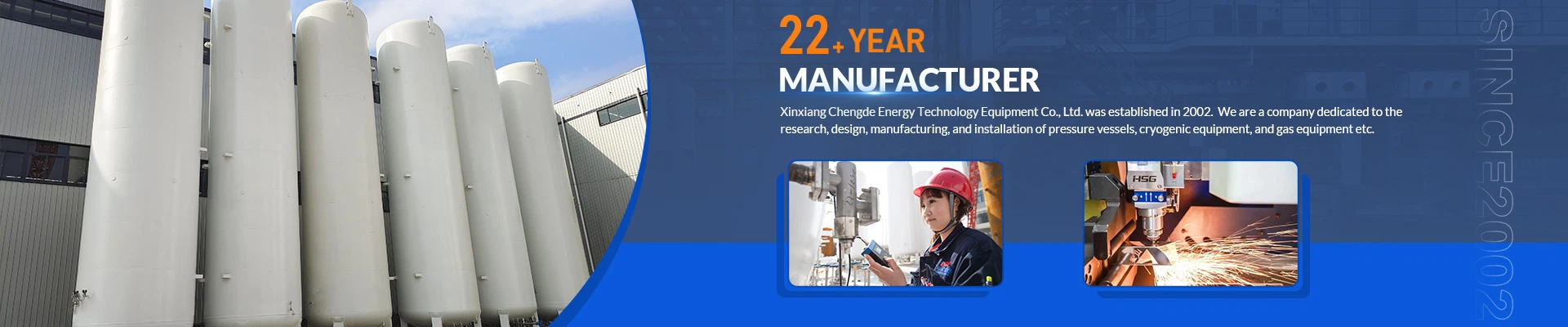
We are a company dedicated to the research, design, manufacturing, and installation of pressure vessels, cryogenic equipment, and gas equipment etc.
Quality assurance
We adhere to stringent quality control processes to deliver reliable and high-performance products that exceed industry standards.
Our certificate
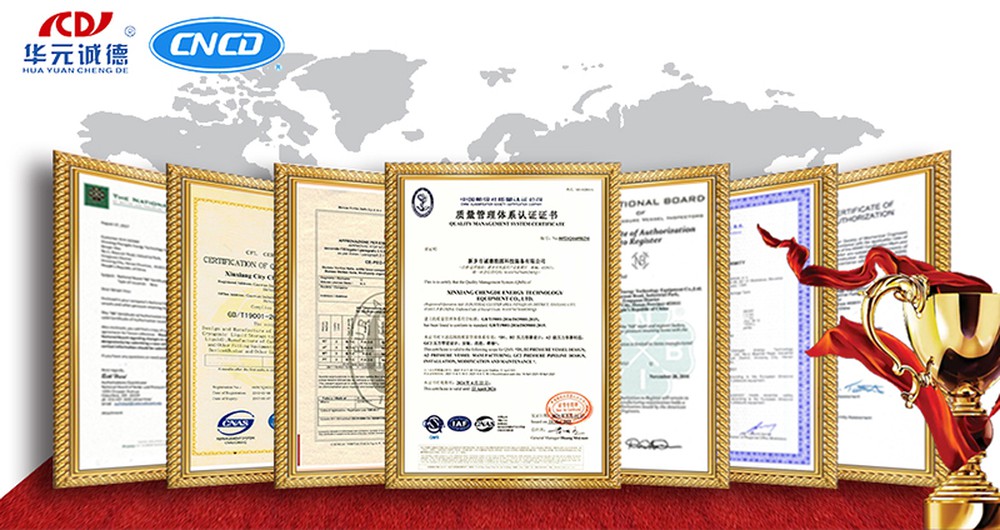
We have been awarded the National Low-Temperature Testing Center Product Type Certification.
Our company holds the D-level (including vacuum insulation vessels) pressure vessel manufacturing (including installation, repair).
After-sales service
Dedicated to strict quality control and thoughtful customer service, our experienced staff members are always available to discuss your requirements and ensure full customer satisfaction.
Introduction to the Basic Knowledge of Co2 Recovery
Recovery plant for with a wide assortment of Co2 recovery system, including distillery Co2 recovery plant, brewery Co2 recovery system & stack gas Co2 recovery system. Our Co2 recovery system is a modular and expandable solution for the Co2 gas recovery, production treatment, Co2 liquefaction and Co2 purification technology and refrigeration design. High-performance Co2generators are compact simple to operate, maintain, and convert from low-sulphur content diesel, kerosene, or natural gas. Our advanced designs employ the latest technology for refined, user-friendly operation. The result is the lowest possible operating costs and minimum environmental effect.
Co2 recovery plant utilizes advanced automation control panels to efficiently capture and process carbon dioxide emissions. With our Co2 recovery system, we offer systems that meet all efficient carbon dioxide treatment requirements: Maximum purity with the lowest oxygen content and maximum yield. We offer our clients the best solutions, which greatly benefit brewery-based Co2 recovery and natural gas-based Co2 recovery. Thanks to the innovative technology, Co2 stackgas recovery system can recover the co2 from vent flue gas generated by combustion processes in an energy-efficient way.
Co2 use does not necessarily lead to emissions reduction. Climate benefits associated with a given Co2 use depend on the source of the co2 (natural, fossil, biogenic or air-captured), the product or service the Co2-based product is displacing, the carbon intensity of the energy used for the conversion process, and how long the co2 is retained in the product. While some Co2 use could bring substantial climate benefits, the relatively limited market size for these applications means dedicated storage should remain the primary focus of carbon capture, utilisation and storage deployment. However, support for research and development and demonstration can play a key role in the deployment of promising co2-derived products and services that are scalable and have good prospects to become competitive over time.
Introduction to Process Analysis of Co2 Recovery Recovery


Co2 recovery plant is consists of two adsorption tanks filled with drying agent molecular sieves to remove moisture from the gas. The carbon dioxide flows through one tank while the heater regenerates the other tank. After this, the gas passes through the drying unit of the co2 gas plant. In the next phase, the liquid co2 in a shell and tube heat exchanger and inert gases like oxygen o2 and nitrogen n2 are removed. All stages of purification in our carbon dioxide recovery will be precisely adjusted to the specific requirements, considering technological and financial aspects. The first step in a co2 recovery system volume reduction in co2 recovery is a two-stage compression. The fermentation carbon dioxide is compressed to one-sixteenth of the original gas volume with a dry-running piston compressor.
After the co2 compressor, the gas passes through the deodorizer consisting of two vessels, substances influencing odour and taste are removed, with identical plant design. The only difference between the cleaner and the dryer is the filling with special activated carbon. By compression and condensation, the storage volume is reduced to such an extent that temporary storage of even very large quantities of carbon dioxide requires little space. The compressed gas is liquefied in the condenser and then collected in a storage tank. The brewer can collect the gas produced during fermentation over several days and use it for the production process as required.
Co2 Recovery Is Welcomed by the Market
Our clients are completely aware of how essential the purity of co2 is for the quality of the final co2 gas produced. When co2 is used in beverages, it is important to make sure that it is pure. Any impurities, such as oxygen, can affect the flavour and quality of the beverage. Obtaining food-grade co2 gas from your own fermenters ensures ideal control for the quality grade benefit. Co2 recovery system from offers clear advantages of maximum purity, maximum operational reliability and low operating costs. With stripping technology, our plants can recover even the co2 from early fermentation phases. We ensures perfect and seamless integration of the co2 recovery plant into existing or planned energy supply systems. This results in improved efficiency on your plant’ s co2 and refrigeration side and reduced capital investment.
Co2 gas revert recovery systems are planned to precisely recover revert co2 gas from dry ice pellet and block machines that usually direct the revert (flash) gas to the environment. During dry ice production, the transformation pace from liquid co2 to dry ice is approx. 40-45 %. It signifies 55-60 % is forfeited to the surrounding environment.
With a co2 revert recovery system, most of the co2 can be retrieved, which shows a final conversion rate of approx. 90-95 %. That is how the dry ice production costs are decreased up to 50 %. Our innovative co2 gas recovery technology makes your vented stack gas into a profitable co2 product. It can be utilized as a raw product for numerous industries. For an alcoholic fermentation process, other industrial sources or natural sources, we will find your co2 recovery solution. The gas recovery system can make this possibility a reality for those wanting to create industries and gain the reward of pulling out co2 and producing it into a usable product. Our systems are made of high-grade materials and are handcrafted, creating a low operating cost and increasing the return on investment.
Routes to Co2 Recovery
Co2 can be used directly for enhanced oil recovery. It is equally applicable in deep geothermal energy (where it is used to bring up hot water). Co2 is also used in other niche applications, such as food packaging, wine growing, water treatment, refrigeration or welding. Another recovery route is chemical transformation, the co2 in this case being used as a raw material and a reagent. Numerous possibilities exist: Organic synthesis, dry reforming, hydrogenation, thermochemical conversion, electrolysis, mineralisation, etc. This transformation route enables the manufacture of products and chemical compounds such as urea, salicylic acid (used in france in aspirin and dermatological products), cyclic carbonates (used in solvents, lithium-ion batteries, paints and coatings) and, before long, other products requiring pure co2. Via electrochemistry, it enables the production of plastic polymers such as polycarbonate (used in spectacle lenses, cds and dvds, etc.)chemical transformation also offers the production of synthetic fuels, generally via conversion of co2 into co followed by recombination with hydrogen.
Meanwhile, chemical transformation is also useful in the production of construction materials. This is referred to as mineralisation or carbonation. Co2 can alsobe recovered via biological pathways. It can then be used as nutrient for organisms which use photosynthesis to produce biomass, a source of many beneficial products, of which the most interesting example currently is algae. Algae cultivation is of particular interest for the agrifood and pharmaceutical industries (oils, proteins etc.), in water treatment (abatement of nitrogen and phosphorus) and in biofuels (or ‘algofuels’). Looking beyond algae,which is developing bioreactors able to transform co2 into nutrients that, mixed with others, produce a fishmeal.
During the production of dry ice, it is about 40% of liquid co2 that passes to the solid state, while the remaining 60% about passes to the gaseous state. Thanks to the recovery system it is possible to recover this gaseous co2 and transform it into liquid co2, to reuse it in the production cycle. This system not only guarantees significant economic savings, but also better resource management, as it reduces waste and co2 emissions in the environment. Co2 recovery plants for brewery , recovery units are designed to collect and utilize the co2 generated during the brewing fermentation process. The highest quality co2 produced to meet stringent market requirements is ensured by using appropriate flushing and filtration techniques.
Recovery units are designed to collect and utilize co2 generated during the brewing fermentation process. The highest quality co2 produced to meet stringent market requirements is ensured by using appropriate washing and filtration techniques.The use of the most modern structured packing in the scrubber column allows reducing water consumption to 0.25 kg per 1 kg of finished co2, which is equivalent to a 75% reduction in specific water consumption compared to traditional installations.
Technology is a final purification process, by means of a distillation column rectification process, which, in the process of separating and removing non-condensable gases, can reliably guarantee a reduction in the residual content of o2 < 5 ppm (volume) with a co2 volume fraction of at least 99.998% . The electrical system of the co2 recovery unit consists of a decentralized electronic control panel and a low voltage power cabinet.
The state-of-the-art electronic control panel allows you to monitor and control the operation of the unit in a color touch screen menu for easy access and trouble-free operation. The unit starts automatically in sequence, and automatically maintains the operating mode. The whole process is easily monitored on the operator's panel monitor, showing the status of the drives, readings of all sensors and alarms, which also have an audio accompaniment. All node-mounted instrumentation and a instruments are shipped unplugged at the factory and connected to remote module boxes. The units are designed to provide the highest efficiency in 24/7 operation, durability, and the availability and reliability of individual components.
Introduction to the Working Principle of Co2 Recovery System
We have developed a wide portfolio of both customised and standardised co2 plants to meet all clients needs: Volume, purity and time-to-solution needs. We can design your desired plant according to the usage of co2. Our co2 recovery, production and capture plants are optimized to ensure highest levels of energy, efficiency and trouble-free operations, granting a continuous production of 99,998% pure co2 in compliance with the guidelines.
Our co2 liquefaction system are designed to assist our clients in their efforts to the reduction of carbon dioxide and other greenhouse gas emissions in order to mitigate climate change. This innovative system can even be combined with the biogas upgrading module's biomethane liquefaction process, resulting in a fuel that is not only carbon-neutral but carbon-negative. In addition to the production of biomethane the systems may be used to recover and liquefy co2 to create an extra source of revenue for the plant owner.
On top of this zero methane slip is achieved since the small amount of methane still present in the co2 in recovered during liquefaction. When no liquid co2 production is required the recovery system can be put in a stand-by mode that requires no additional energy. The co2 is compressed in a non lubricated two stage process compressor and passed through an automatic molecular sieve dryer to completely remove the moisture. Then the co2 goes to the fine filter to remove any remaining odorant compounds/impurities as well as any remaining powders. The purified gas is sent to the co2 liquefier; traces of non condensable gases still contained in the co2 gas remain gaseous while the co2 condenses in the liquefier. Any entrained non-condensables such as oxygen, methane and nitrogen are effectively removed in the stripping tower. These non-condensable gases are used for regeneration of dryer; the pure liquid co2 flows to an insulated storage tank.
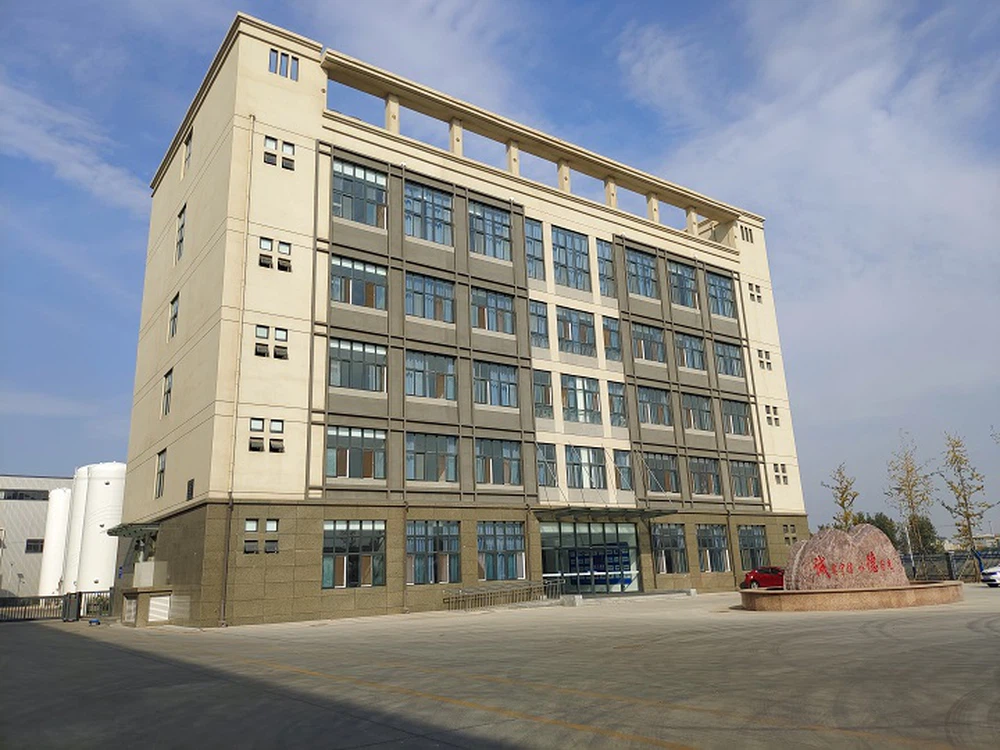
Xinxiang Chengde Energy Technology Equipment Co., Ltd. (formerly Chengde Gas Equipment Co., Ltd.) was established in 2002. We are a company dedicated to the research, design, manufacturing, and installation of pressure vessels, cryogenic equipment, and gas equipment etc. We have been awarded the National Low-Temperature Testing Center Product Type Certification, Henan Famous Brand Product, Henan Province High-tech Enterprise, Henan Province "Specialized, Refined, Unique, and New" Enterprise. We are authorized for foreign trade exports. Additionally, we have obtained the ISO 9001 International Quality System Certification, China Classification Society Factory Approval Certificate, and Ministry of Industry and Information Technology Vehicle Access Certificate, among other honors.
Certificate
FAQ
We're professional co2 recovery manufacturers and suppliers in China, specialized in providing high quality customized service. We warmly welcome you to buy co2 recovery in stock here from our factory. For price consultation, contact us.
lng tank for marine energy, water tanker truck, tanker truck paint