

Psa Oxygen Generator
What Is Psa Oxygen Generator
Psa oxygen generators are the equipment that produce oxygen at 90% to 93% purity using adsorbents to remove nitrogen gas from the air. The process is also known as pressure vacuum swing adsorption (PVSA), vacuum pressure swing adsorption (VPSA), and vacuum swing adsorption (VSA). Taking advantage of the fact that the adsorption quantity of the adsorbent (synthetic zeolite) under pressure is greater for nitrogen than oxygen, these generators remove nitrogen in the air through adsorption under pressure to efficiently produce high-purity oxygen. Because they can provide a stable supply of oxygen at a lower cost than liquid oxygen, they have been adopted at facilities that use large amounts of oxygen.
Advantages of Psa Oxygen Generator
Save money
It can be more affordable to have an psa oxygen generator than to repeatedly order and supply cylinder or bulk liquid oxygen from a supplier. There are no delivery fees with an onsite generator, and it features easy, low cost maintenance.
Reliable
An psa oxygen generator is dependable as it uses the surrounding air in the atmosphere to create the oxygen you need for your project. You will never need to worry about having a shortage of oxygen when you have your own oxygen generator.
Safety
The safety of your employees is your priority which is why psa oxygen generator are highly beneficial. Once they are installed there is no need to move or handle a gas suppliers cylinders or tanks.
Higher separation efficiency
Psa oxygen generator have higher separation efficiency than other PSA oxygen generators of the same type, requiring only a relatively small amount of air to obtain more oxygen.
-
![Psa Oxygen Plant]() Psa Oxygen PlantThe pressure swing adsorption oxygen generator is a gas separation equipment that takes zeolite molecular sieve as adsorbent and directly produces product oxygen from compressed air by the...read more
Psa Oxygen PlantThe pressure swing adsorption oxygen generator is a gas separation equipment that takes zeolite molecular sieve as adsorbent and directly produces product oxygen from compressed air by the...read more -
![CNCD Customized Sales PSA Oxygen Generator]() CNCD Customized Sales PSA Oxygen GeneratorChina Manufacturer Medical Oxygen Generating System Psa Oxygen Plant For Sale Product introduction PSA ( Pressure Swing Adsorption) Technology a revolution in Non Cryogenic Air Separation and...read more
CNCD Customized Sales PSA Oxygen GeneratorChina Manufacturer Medical Oxygen Generating System Psa Oxygen Plant For Sale Product introduction PSA ( Pressure Swing Adsorption) Technology a revolution in Non Cryogenic Air Separation and...read more -
![Factory Price High Purity Psa Oxygen Generator With Cylinder Filling Station]() Factory Price High Purity Psa Oxygen Generator With Cylin...Factory Price High Purity Psa Oxygen Generator With Cylinder Filling Station Product introduction PSA ( Pressure Swing Adsorption) Technology a revolution in Non Cryogenic Air Separation and...read more
Factory Price High Purity Psa Oxygen Generator With Cylin...Factory Price High Purity Psa Oxygen Generator With Cylinder Filling Station Product introduction PSA ( Pressure Swing Adsorption) Technology a revolution in Non Cryogenic Air Separation and...read more -
![China Manufacturer Medical Oxygen Generating System Psa Oxygen Plant For Sale]() China Manufacturer Medical Oxygen Generating System Psa O...China Manufacturer Medical Oxygen Generating System Psa Oxygen Plant For Sale Product introduction PSA ( Pressure Swing Adsorption) Technology a revolution in Non Cryogenic Air Separation and...read more
China Manufacturer Medical Oxygen Generating System Psa O...China Manufacturer Medical Oxygen Generating System Psa Oxygen Plant For Sale Product introduction PSA ( Pressure Swing Adsorption) Technology a revolution in Non Cryogenic Air Separation and...read more -
![Superior Quality Gas Generation Equipment Machine For High Purity Liquid Oxygen Nitrogen Argon Air Separation Plant]() Superior Quality Gas Generation Equipment Machine For Hig...Superior Quality Gas Generation Equipment Machine For High Purity Liquid Oxygen Nitrogen Argon Air Separation Plant Product Description: air separation plant operates on a low pressure cycle and...read more
Superior Quality Gas Generation Equipment Machine For Hig...Superior Quality Gas Generation Equipment Machine For High Purity Liquid Oxygen Nitrogen Argon Air Separation Plant Product Description: air separation plant operates on a low pressure cycle and...read more -
![Industrial Machinery Good Quality Oxygen Generator Advanced Technology Good Price Oxygen Generator]() Industrial Machinery Good Quality Oxygen Generator Advanc...Industrial Machinery Good Quality Oxygen Generator Advanced Technology Good Price Oxygen Generator Product introduction PSA ( Pressure Swing Adsorption) Technology a revolution in Non Cryogenic...read more
Industrial Machinery Good Quality Oxygen Generator Advanc...Industrial Machinery Good Quality Oxygen Generator Advanced Technology Good Price Oxygen Generator Product introduction PSA ( Pressure Swing Adsorption) Technology a revolution in Non Cryogenic...read more -
![High Grade Customized Oxygen Making PSA Concentrator ASU Equipment Medical Grade Oxygen Generator]() High Grade Customized Oxygen Making PSA Concentrator ASU ...High Grade Customized Oxygen Making PSA Concentrator ASU Equipment Medical Grade Oxygen Generator Product introduction PSA ( Pressure Swing Adsorption) Technology a revolution in Non Cryogenic Air...read more
High Grade Customized Oxygen Making PSA Concentrator ASU ...High Grade Customized Oxygen Making PSA Concentrator ASU Equipment Medical Grade Oxygen Generator Product introduction PSA ( Pressure Swing Adsorption) Technology a revolution in Non Cryogenic Air...read more -
![Psa System For Oxygen]() Psa System For OxygenHigh purity oxygen generator adopts advanced pressure swing adsorption technology to produce high purity oxygen with purity up to 99.5%. The high purity oxygen produced by this machine is suitable...read more
Psa System For OxygenHigh purity oxygen generator adopts advanced pressure swing adsorption technology to produce high purity oxygen with purity up to 99.5%. The high purity oxygen produced by this machine is suitable...read more -
![Psa Technology for Oxygen Generation]() Psa Technology for Oxygen Generation1.Fast and stable on-site product oxygen production, and qualified oxygen can be produced in 20 minutes at least; 2.More efficient and stable molecular sieves and special PSA energy-saving...read more
Psa Technology for Oxygen Generation1.Fast and stable on-site product oxygen production, and qualified oxygen can be produced in 20 minutes at least; 2.More efficient and stable molecular sieves and special PSA energy-saving...read more -
![Psa Nitrogen Plant]() Psa Nitrogen PlantPressure swing adsorption psa nitrogen plant is a gas separation equipment that takes carbon molecular sieve as adsorbentread more
Psa Nitrogen PlantPressure swing adsorption psa nitrogen plant is a gas separation equipment that takes carbon molecular sieve as adsorbentread more -
![Psa Nitrogen Gas Generator]() Psa Nitrogen Gas GeneratorPsa Nitrogen Gas Generator More efficient and stable molecular sieves and special PSA energy-saving technology are selected, with lower energy consumption;read more
Psa Nitrogen Gas GeneratorPsa Nitrogen Gas Generator More efficient and stable molecular sieves and special PSA energy-saving technology are selected, with lower energy consumption;read more


Why Choose Us
Profession team
We are a company dedicated to the research, design, manufacturing, and installation of pressure vessels, cryogenic equipment, and gas equipment etc.
Quality assurance
We adhere to stringent quality control processes to deliver reliable and high-performance products that exceed industry standards.
Our certificate
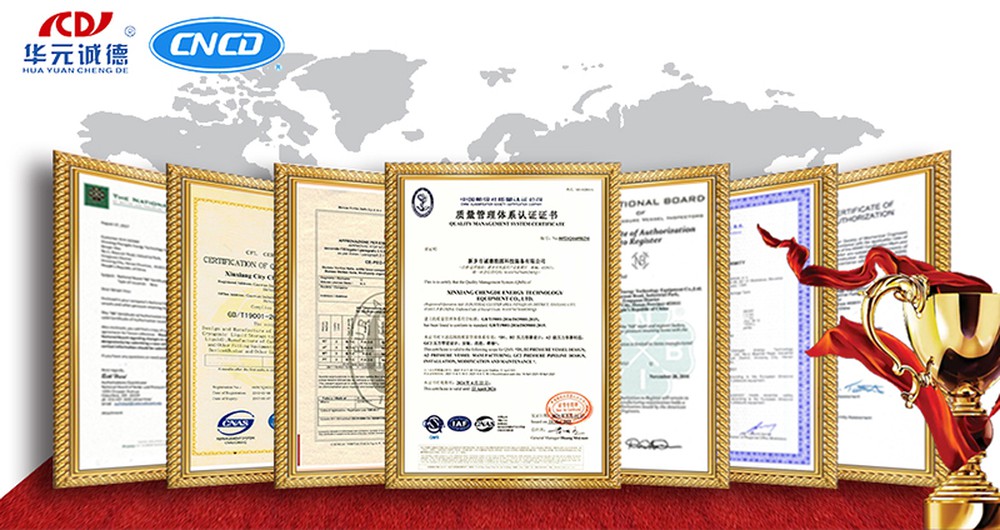
We have been awarded the National Low-Temperature Testing Center Product Type Certification.
Our company holds the D-level (including vacuum insulation vessels) pressure vessel manufacturing (including installation, repair).
After-sales service
Dedicated to strict quality control and thoughtful customer service, our experienced staff members are always available to discuss your requirements and ensure full customer satisfaction.
Variable Pressure Technology of Psa Oxygen Generator
Elevated pressures are needed for the process, usually 4-8 bar(g). In case a higher pressure is required for your process, this can be applied, too. While one vessel is being pressurised, the other vessel is being depressurised. Separation of atmospheric air is done with the psa principle; oxygen is separated from the air through adsorption process. Psa oxygen plants are based on the well-known psa technology. Psa means pressure swing adsorption. Two pressurised vessels with zeolite ensure continuous production for separation of oxygen from other gases. An o2 generator consists of two pressure vessels storing zeolite.
Dry compressed air is blown through a valve to the first vessel where the pressure is built to reach 4 to 8 bar(g). The unwanted gas (n2) is adsorbed by the zeolite during the building of pressure, and the oxygen will pass through to the accumulation tank. While pressure is building in one vessel, the other vessel is regenerating through a decrease in pressure. This process guarantees a continuous flow.
Before the subsequent adsorption or desorption stage, the pressure between the adsorption vessels will be equalised. When pressure decreases in the first vessel, and the zeolite becomes saturated, the waste product is exhausted through the exhaust system. Now the pressure in the second vessel will build up until the pressure between both vessels is once again equalised. The process of the psa technology (pressure swing adsorption) is an extremely clean operation. Psa is a cost-efficient process for producing o2. It offers the best industrial oxygen price for your application. The psa process is continuously repeated to provide you with an uninterrupted supply of oxygen.
Several Stages of the Psa Oxygen Generator Process
The oxygen generator is based on a patented implementation of the Pressure Swing Adsorption (PSA) which uses ambient air as raw material. Ambient air contains 21% oxygen, 78% nitrogen, 0.9% argon and 0.1% rare gases. The PSA process is a static separation of air gases via a specific molecular sieve designed to adsorb nitrogen under pressure, to produce oxygen-enriched air composed of 93% oxygen and above.
The oxygen generator is mainly composed by 2 separation vessels filled with molecular sieve adsorbers (zeolites), one complete pneumatic system (valves, filters, pressure regulator.) monitored by an automatic device, and an oxygen tank. Compressed air (78% nitrogen, 21% oxygen, < 1% argon) is filtered, degreased and dried and the production pressure is automatically regulated. Air passes through the molecular sieves where nitrogen is adsorbed by the zeolite, increasing oxygen concentration up to 95%.
Out of the molecular sieve, the oxygen produced is sent through the buffer tank via a mutifunction block. Nitrogen is released via a silent escape and forced back outside. Part of the oxygen produced is used to help the nitrogen desorption of one vessel while the other ensures oxygen production (and vice versa). An automatic and pneumatic vessels balance system ensure a continuous oxygen flow.
Psa Oxygen Generator Operating Principle


Supplemental oxygen is needed for patients suffering from copd , sleep apnea , hypoxemia. Oxygen is an essential medicine required at all levels of the health care system; only high quality, medical-grade oxygen should be given to patients. Pressure swing adsorption (psa) oxygen generating plants are a source of medical-grade oxygen. Psa plant is a technology used to separate some gases from a mixture of gases under pressure according to the molecular characteristics & affinity for an adsorbent material like zeolite ,used as trap. The process then swings to low pressure to desorb the adsorbed material. Psa plant is used when purity requirement is 90-96% v/v, remainder should consist mostly n2 and must monitor o2 concentration with±1% accuracy ,with a prefilter (5μm) and coalescing filter (0.1μm).
Psa generators separates oxygen (o2) from compressed air utilizing pressure swing adsorption technology. Compressed air, which consists of approximately 21% oxygen and 78% nitrogen, is passed through a bed of zeolite molecular sieve (zms). The sieve preferentially adsorbs n2 and moisture over o2 allowing the o2 to pass through as a product gas at pressure. While one of the towers is in the adsorption phase the other tower is regenerated by de-pressurizing, at which time the sieve releases the adsorbed gases to the atmosphere, and the cycle is then repeated. A solid state programmable controller operates the process valves on an alternating cycle, with built-in logic for automatic stop/start.
Oxygen flow and purity remain constant regardless of the peak usage demands. Under normal operating conditions and with correct maintenance the zeolite molecular sieve will have an almost indefinite lifetime. .The psa oxygen generator works the same as our nitrogen psa generators with one exception. The adsorption media inside the vessel for an oxygen psa is a material called a zeolite, for a nitrogen psa the material is called cms (carbon molecular sieve). In both cases compressed air is fed into one of the absorption towers. In the case of an oxygen generator the nitrogen in the air is absorbed onto the zeolite surface and the oxygen passes out of the vessel at the desired purity.
Once the zeolite absorption material become saturated with nitrogen the compressed air is switched to the other vessel which now does the absorption while the other vessel is regenerated. The zeolite material have a very unique property that when the pressure is released back to atmospheric pressure during the regeneration process the zeolite releases the nitrogen that was stored on its surface. The process consists of switching the compressed air from one vessel to the other by means of a series of valves in a very precise sequence to take advantage of this unique property. This process provides a constant flow of oxygen for a multitude of applications.
Introduction to the Basic Knowledge of Psa Oxygen Generator
Psa oxygen generator uses clean compressed air as the raw material and high-quality zeolite molecular sieve as the adsorbent to produce oxygen from the air under a certain pressure. The purified and dried compressed air is subjected to pressure adsorption and decompression desorption in the adsorber. Due to the aerodynamic effect, the diffusion rate of nitrogen in the micropores of zeolite molecular sieve is much faster than that of oxygen, nitrogen is preferentially adsorbed by zeolite molecular sieve, and oxygen is enriched in the gas phase to form finished oxygen.
After decompression to normal pressure, the adsorbent desorbs the adsorbed nitrogen and other impurities to realize regeneration. Generally, two adsorption towers are set up in the system, one tower absorbs and produces oxygen, and the other tower desorbs and regenerates. The plc program controller controls the opening and closing of the pneumatic valve to make the two towers circulate alternately, so as to obtain oxygen with high purity (93%±3%). The psa process for generating enriched oxygen gas from ambient air utilises the ability of a synthetic zeolite molecular sieve to absorb mainly nitrogen. While nitrogen concentrates in the pore system of the zeolite, oxygen gas is produced as a product.
Psa oxygen generation plants use two vessels filled with zeolite molecular sieve as adsorbers. As compressed air passes up through one of the adsorbers, the molecular sieve selectively adsorbs the nitrogen. This then allows the remaining oxygen to pass up through the adsorber and exit as a product gas. When the adsorber becomes saturated with nitrogen, the inlet airflow is switched to the second adsorber. The first adsorber is regenerated by desorbing nitrogen through depressurisation and purging it with some of the product oxygen. The cycle is then repeated and the pressure is continually swinging between a higher level at adsorption (production) and a lower level at desorption (regeneration). Fully automated systems are designed to work unattended.
PSA plants are compact taking little space, assembly on skids, prefabricated and supplied from factory. Quick start-up time taking only 5 minutes to generate oxygen with desired purity. Reliable for getting continuous and steady supply of oxygen. Durable molecular sieves that last around 10 years. Pressure swing adsorption (PSA) process is made up two vessels filled with molecular sieves and activated alumina. Compressed air is passed through one vessel at 30 degrees C and oxygen is generated as a product gas. Nitrogen is discharged as an exhaust gas back into atmosphere. When the molecular sieve bed is saturated, the process is switched to the other bed by automatic valves for oxygen generation. It is done while allowing the saturated bed to undergo regeneration by depressurization and purging to atmospheric pressure. Two vessels keep working alternately in oxygen production and regeneration allowing oxygen is available to the process.
How to Choose a Psa Oxygen Generator?

Among the core parameters of oxygen generator equipment, flow rate is undoubtedly one of the most important parameters. It represents the amount of gas consumption required by the user, and the unit of measurement is Nm3/h. Then is oxygen purity, which represents the proportion of oxygen in the produced gas.
Secondly, the pressure, which refers to the outlet pressure of the equipment, is generally 0.3-0.5MPa. If the process requires higher pressure, it can also be pressurized as needed. The last is the dew point, which represents the water content in the gas. The lower the dew point, the less water in the gas. The normal pressure dew point of the oxygen produced by the PSA oxygen generator is ≤ -40°C. If it needs to be lower, you can also consider adding a absorption air dryer or a refrigeration air dryer.

Maintenance Tips for Psa Oxygen Generator
It is necessary to maintain for daily use and pay enough attention to equipment maintenance. Good operating habits and regular maintenance can prolong the normal service life of equipment, reduce energy consumption, reduce maintenance costs, effectively avoid sudden failures, and greatly reduce the negative impact of failures on production. Normal supply of power, water, air and temperature conditions required by the machineshould be ensured.
Normal opening and closing are also important, especially the stability of the power supply voltage. If necessary, a voltage stabilizer can be installed to reduce the damage to the controller and electromagnetic caused by power supply problems. Pay attention to the air volume, temperature and pressure at the inlet of the cold dryer at any time, and keep the evaporation pressure of the cold dryer between 0.4 and 0.5 MPa, and do not exceed the rated value.
Check the automatic drain valve of the filter and the automatic drain of the cold dryer every day to avoid clogging,drainage and sewage discharge. Regularly check whether the heat sink of the cold dryer is clean every week, so as not to affect the effectiveness and life of the dryer due to poor heat dissipation. Perform operation and daily maintenance according to the requirements of the User Manual, and check the sensitivity of the solenoid valve/pneumatic valve, the pressure range of the pressure regulating valve, the accuracy of the gas analyzer, the compression of the adsorption tower, and the exhaust state of the muffler from time to time.
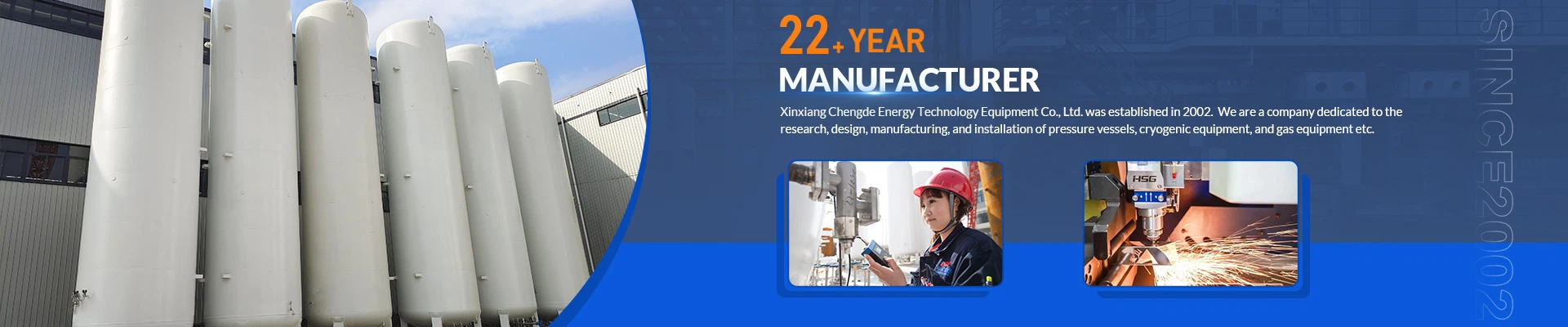
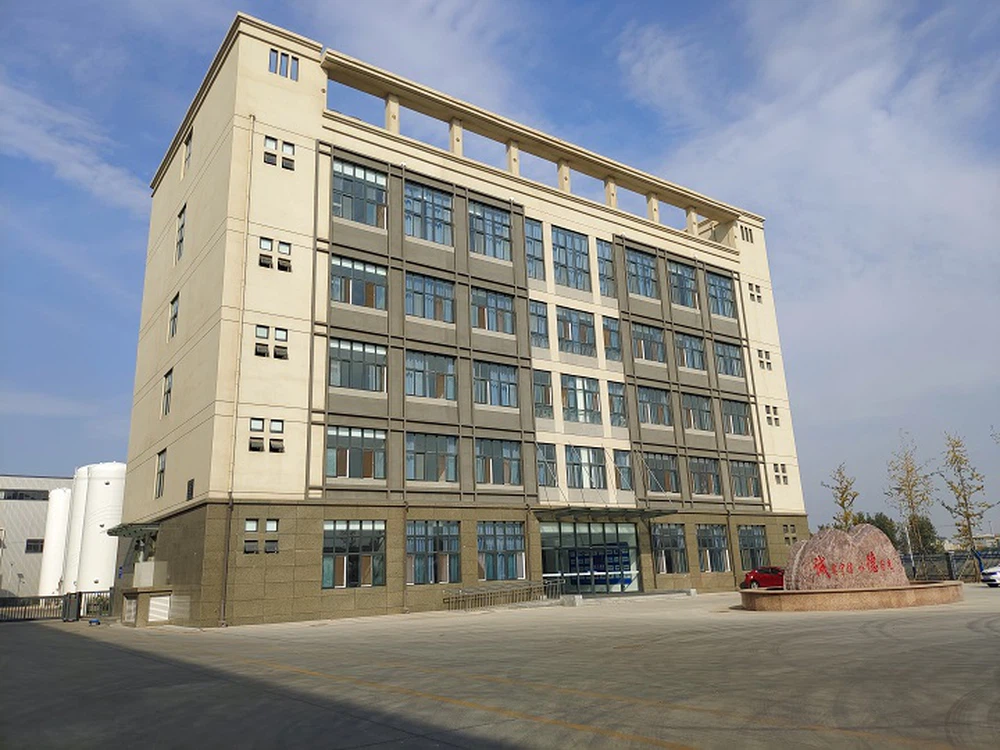
Xinxiang Chengde Energy Technology Equipment Co., Ltd. (formerly Chengde Gas Equipment Co., Ltd.) was established in 2002. We are a company dedicated to the research, design, manufacturing, and installation of pressure vessels, cryogenic equipment, and gas equipment etc. We have been awarded the National Low-Temperature Testing Center Product Type Certification, Henan Famous Brand Product, Henan Province High-tech Enterprise, Henan Province "Specialized, Refined, Unique, and New" Enterprise. We are authorized for foreign trade exports. Additionally, we have obtained the ISO 9001 International Quality System Certification, China Classification Society Factory Approval Certificate, and Ministry of Industry and Information Technology Vehicle Access Certificate, among other honors.
Certificate
FAQ
We're professional psa oxygen generator manufacturers and suppliers in China, specialized in providing high quality customized service. We warmly welcome you to buy psa oxygen generator in stock here from our factory. For price consultation, contact us.
light duty tanker truck, marine lng containment tank, tanker truck standards