
Best Quality LNG marine fuel tanks 2025 hot sales
Product introduction
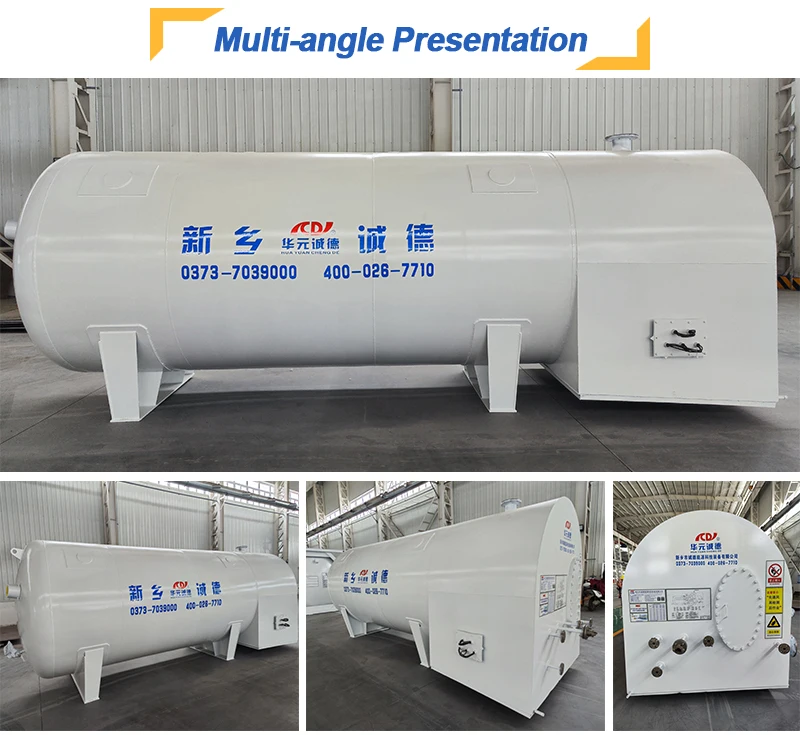
Methanol marine fuel tank is a container specially used to store methanol fuel on ships. With the shipping industry's attention to environmental protection and alternative fuels, methanol is gradually being used as a relatively clean marine fuel, and methanol fuel tanks have become one of the key equipment for methanol fuel-powered ships. Its main purpose is to store methanol fuel safely and stably, and provide a continuous fuel supply for the ship's engine or other power equipment.
Structural features
Tank material:
Usually made of materials resistant to methanol corrosion. Since methanol has certain chemical corrosiveness, common tank materials include stainless steel (such as 304L, 316L and other models). These stainless steel materials can resist the erosion of methanol, ensuring the service life of the tank and the quality of methanol fuel. In addition, there are also some tanks made of carbon steel materials with special coatings. The coating can isolate methanol from direct contact with carbon steel to prevent corrosion.
Tank shape and size:
Methanol fuel tanks have various shapes, and the most common ones are cylindrical and rectangular. Cylindrical tanks have better performance in withstanding internal pressure, while rectangular tanks are more convenient for layout in the limited space of ships. Its size is determined by the type of ship, its purpose and the amount of fuel storage required. For example, the volume of the fuel tank of a large ocean-going methanol fuel ship may reach thousands of cubic meters, while the volume of the fuel tank of a small inland methanol fuel ship is relatively small.
Internal structure:
In order to prevent methanol from shaking in the tank and generating excessive impact, anti-sway plates are usually installed inside the fuel tank. The anti-sway plate is a criss-cross partition structure that divides the internal space of the tank into multiple small areas. When the ship is swaying, methanol flows in the small area, reducing the overall sway amplitude, thereby improving the safety of the tank. At the same time, a certain amount of space will be reserved on the top of the tank to accommodate the expansion volume of methanol due to temperature changes and other reasons, so as to prevent the tank from rupturing due to excessive internal pressure.
Connections and interfaces:
Methanol fuel tanks have multiple interfaces, including fuel inlet, outlet, level gauge interface, vents, etc. The fuel inlet is used to inject methanol fuel into the tank, and the outlet is connected to the ship's fuel delivery system to provide fuel for the power equipment. The level gauge interface is used to install liquid level monitoring equipment to monitor the liquid level of methanol in the tank in real time. The vent is used to balance the air pressure inside and outside the tank. When methanol is injected or extracted, and when the volume changes due to changes in methanol temperature, the vent can keep the air pressure inside and outside the tank consistent.
Installation and maintenance requirements
Installation location:
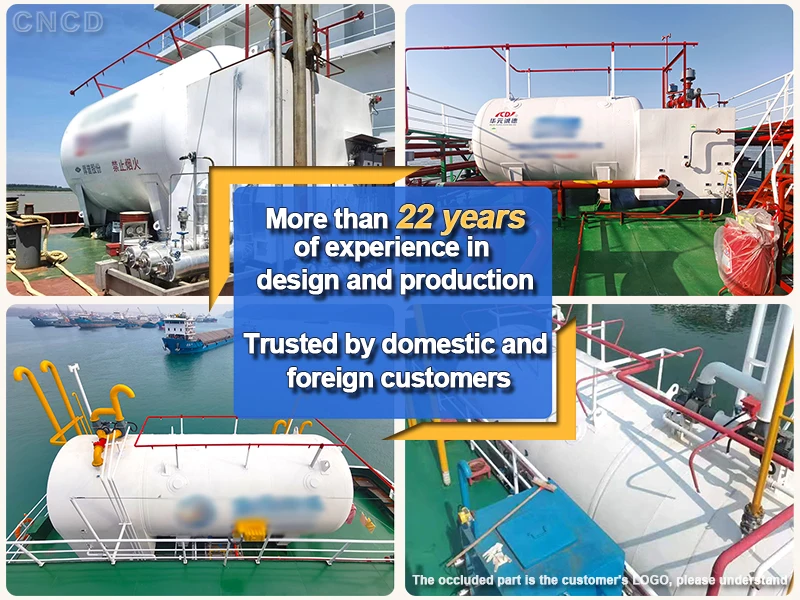
The installation location of the methanol fuel tank on the ship should take into account the center of gravity, stability and safety of the ship. Generally speaking, the fuel tank should be installed at the bottom or lower position of the ship, which can lower the center of gravity of the ship and improve the stability of the ship. At the same time, the installation location should be convenient for the transportation and management of fuel, and should comply with the overall layout planning and safety requirements of the ship.
Daily maintenance:
Regularly check the appearance of the tank body to check for corrosion, deformation, etc. For the connection parts of the tank body, such as pipe interfaces, valves, etc., check the sealing condition to ensure that there is no methanol leakage. At the same time, regularly check whether the equipment such as liquid level gauges and vents are working properly. In addition, safety equipment such as explosion-proof electrical equipment and combustible gas monitoring alarms should be inspected and maintained to ensure that they are in good working condition. In addition, according to the use and storage time of methanol, the tank body should be cleaned in time to remove impurities and sediments in the tank.
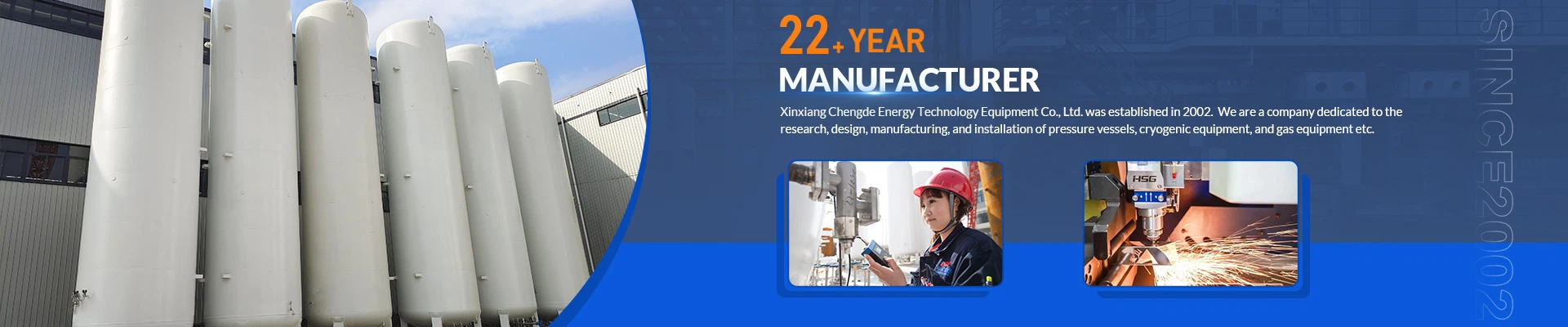
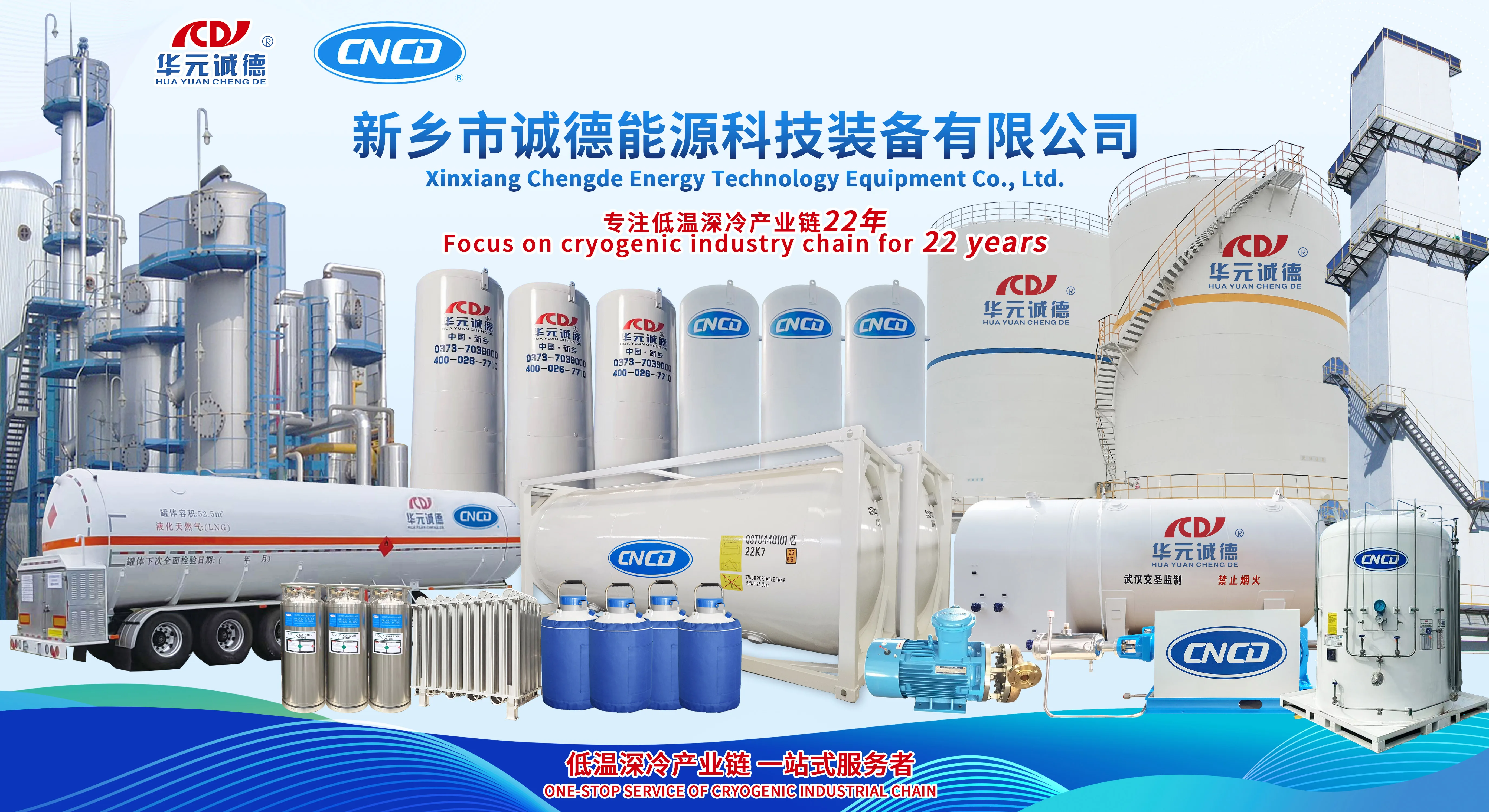
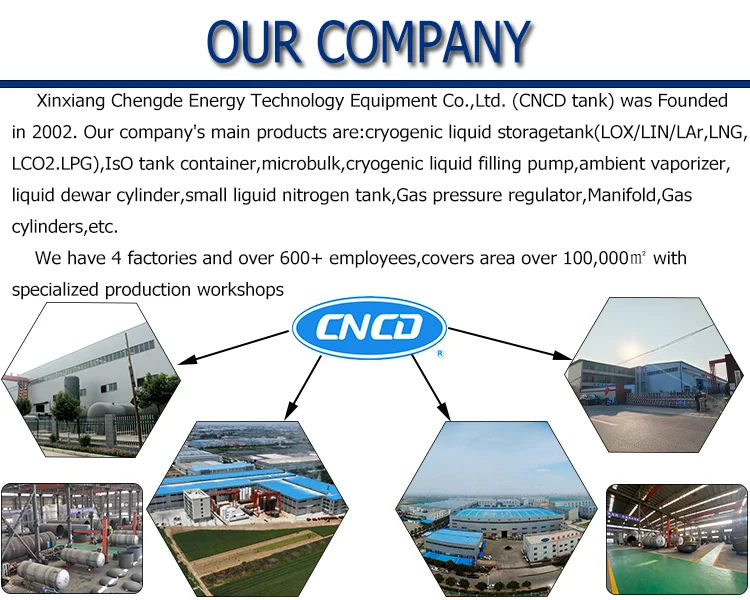
Company Profile



Related products
 |
 |
 |
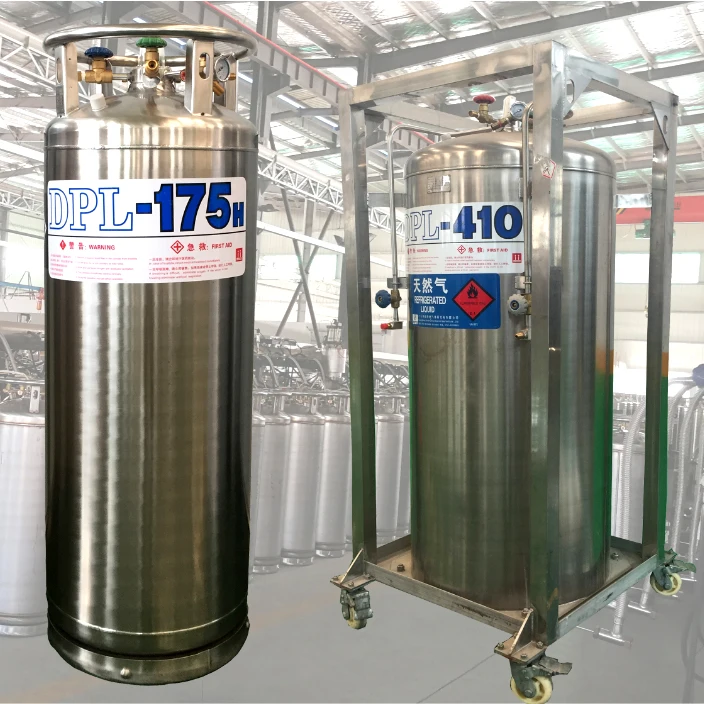 |
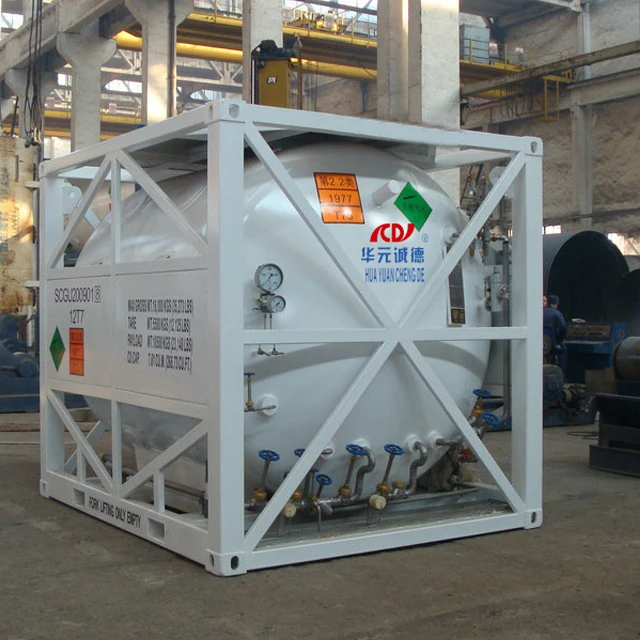
| Cryogenic liquid storage tank | ISO tank container | Micro bulk tank | Dewar cylinder |
 |
 |
 |
 |
| Cryogenic liquid pump | Cryogenic nitrogen container | Ambient air vaporizer | Semi-trailer Tank |
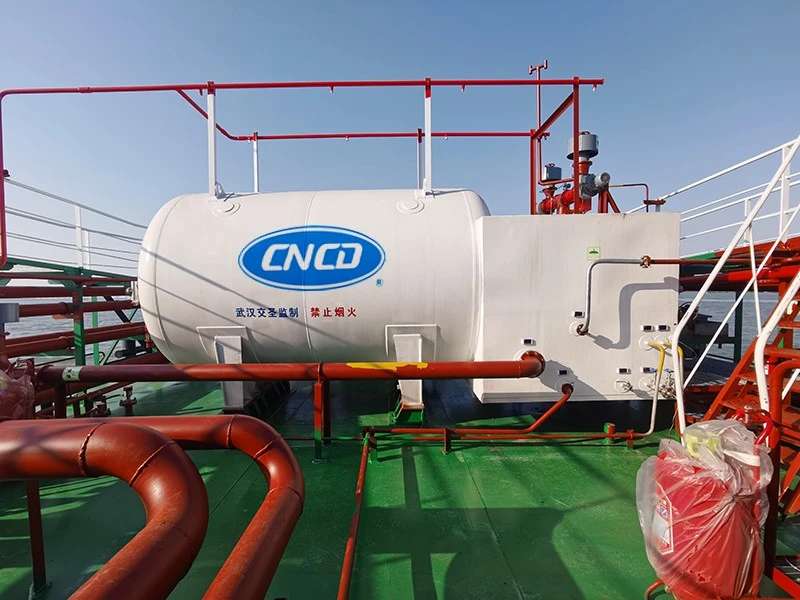
LNG marine fuel tanks
LNG marine fuel tanks are specialized storage containers designed to hold liquefied natural gas (LNG) for use as fuel in marine vessels. These tanks are crucial for the maritime industry, particularly as the demand for cleaner and more efficient fuel sources continues to grow.
Key Characteristics of LNG Marine Fuel Tanks
1.Low Temperature Storage:
LNG is liquefied at extremely low temperatures, typically around -161.5°C (-260°F).
These tanks are constructed with advanced materials and insulation to maintain these low temperatures and prevent heat loss.
2.High Efficiency and Environmental Benefits:
LNG burns more cleanly than traditional marine fuels, producing fewer emissions and pollutants.
This makes LNG an attractive option for vessel operators looking to reduce their environmental impact.
3.Safety and Compliance:
LNG marine fuel tanks must meet stringent safety standards and regulations to ensure the safe transportation and storage of LNG.
These tanks are designed to withstand high pressures and temperatures, as well as potential impacts and collisions.
4.Design and Construction:
LNG marine fuel tanks come in various sizes and configurations to suit different vessel types and operational needs.
They are often made from materials such as stainless steel or nickel-based alloys to resist corrosion and withstand the harsh marine environment.
Applications in the Maritime Industry
1.Cruise Ships and Passenger Vessels:
These vessels often have high fuel consumption rates and can benefit significantly from the use of LNG as a fuel source.
LNG marine fuel tanks allow these ships to operate more cleanly and efficiently while reducing emissions.
2.Cargo Ships and Tankers:
Cargo ships and tankers are also prime candidates for LNG fuel tanks due to their long voyages and high fuel consumption.
The use of LNG can help these vessels reduce their operational costs and improve their environmental performance.
3.Naval and Military Vessels:
Many naval and military vessels are now adopting LNG as a fuel source to enhance their operational capabilities and reduce their carbon footprint.
LNG marine fuel tanks provide a reliable and efficient way to store and use LNG in these vessels.
Hot Tags: best quality lng marine fuel tanks 2025 hot sales, China best quality lng marine fuel tanks 2025 hot sales manufacturers, suppliers, factory, marine lng harbour tank, lng tank related to marine, lng marine propulsion tank, marine lng ferry tank, lng marine storage solution, lng tank for marine expeditions