

Yo! As a supplier of mobile fuel tankers, I've got a ton to share about what makes these machines tick. Let's break down the components of a mobile fuel tanker so you can get a clear picture of what you're dealing with.
Tank Body
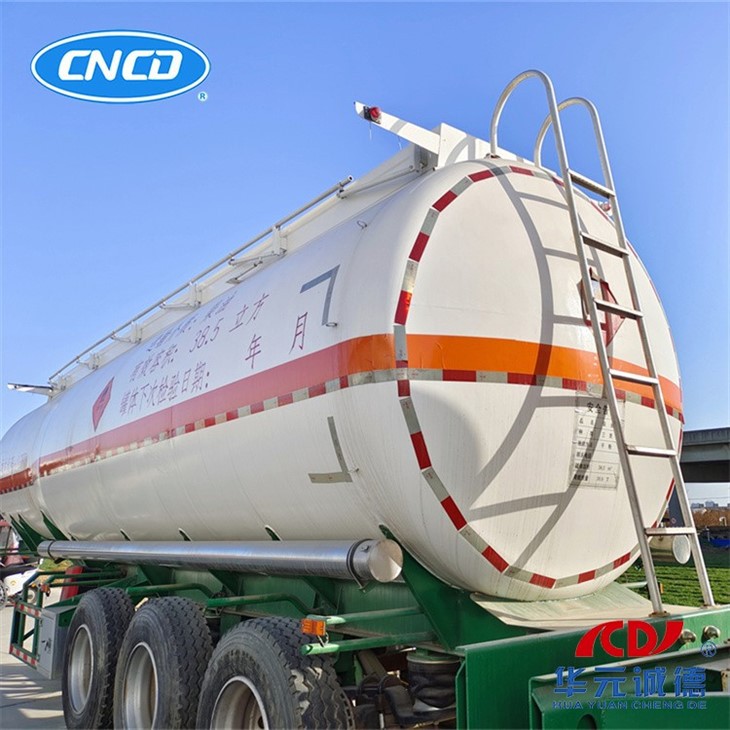
The tank body is, of course, the heart of the mobile fuel tanker. It's where all the fuel is stored during transport. These tanks are usually made from high - quality steel or aluminum. Steel tanks are super durable and can withstand a lot of wear and tear on the road. They're great for long - distance hauls and can handle rough terrains. On the other hand, aluminum tanks are lighter, which means better fuel efficiency for the tanker truck itself.
The tank is designed to have a specific shape to ensure stability while the tanker is in motion. Most are cylindrical, as this shape distributes the weight of the fuel evenly. Inside the tank, there are often baffles. These are like partitions that prevent the fuel from sloshing around too much when the tanker accelerates, brakes, or turns. Without baffles, the movement of the fuel could make the tanker unstable and dangerous to drive.
Chassis
The chassis is the framework that supports the entire tanker. It's like the backbone of the vehicle. It has to be strong enough to handle the weight of the filled tank and the fuel inside. A good chassis is built to last, with high - strength steel being a common material.
The quality of the chassis impacts the overall performance and safety of the tanker. A well - constructed chassis ensures a smooth ride, reduces vibrations, and helps in proper alignment of the wheels. When choosing a mobile fuel tanker, you've got to pay attention to the chassis specifications. A sub - par chassis can lead to problems down the road, like uneven tire wear, and even structural damage to the tank itself.
Piping and Valves
Piping and valves are crucial for the transfer of fuel. The piping system is responsible for moving the fuel from the tank to the storage facility or the vehicle that needs refueling. It's made up of high - pressure, corrosion - resistant pipes.
Valves, on the other hand, control the flow of fuel. There are different types of valves, such as ball valves and gate valves. Ball valves are known for their quick - closing feature, which is useful in case of an emergency. Gate valves, on the other hand, provide a full - flow opening when fully open, which is great for high - volume fuel transfers. These valves need to be regularly maintained to prevent leaks and ensure proper operation.
Pump
The pump is what gets the fuel moving. There are several types of pumps used in mobile fuel tankers, including centrifugal pumps and positive displacement pumps. Centrifugal pumps are great for high - volume, low - pressure applications. They work by using a rotating impeller to create a flow of fuel. Positive displacement pumps, on the other hand, are more suitable for high - pressure situations. They move a fixed amount of fuel with each cycle.
The choice of pump depends on the specific requirements of the fuel transfer. For example, if you're refueling large storage tanks, a high - volume centrifugal pump might be the way to go. But if you're dealing with a situation where you need to transfer fuel at high pressure, a positive displacement pump is probably more appropriate.
Metering System
A metering system is essential for accurately measuring the amount of fuel being transferred. This is important for billing purposes and also for ensuring that the correct amount of fuel is being delivered. Modern metering systems are highly accurate and can be electronic or mechanical.
Electronic metering systems are becoming more popular because they offer greater precision and can be easily integrated with other systems, like billing software. They use sensors to measure the flow of fuel and display the results on a digital screen. Mechanical metering systems, on the other hand, rely on gears and other mechanical components to measure the fuel flow.
Safety Equipment
Safety is a top priority when it comes to mobile fuel tankers. There are several safety components that are included in these vehicles. One of the most important is the emergency shut - off valve. This valve can be activated in case of an accident or a leak to stop the flow of fuel immediately.

There are also grounding systems to prevent static electricity from building up. Static electricity can be extremely dangerous around fuel, as it can cause sparks and potentially lead to an explosion. Grounding straps are used to connect the tanker to the ground, allowing any static charge to dissipate safely.
Fire extinguishers are another must - have safety equipment on a mobile fuel tanker. In case of a fire, having a properly maintained fire extinguisher can make a huge difference.
Cab and Controls
The cab of the mobile fuel tanker is where the driver spends most of their time. It's designed to be comfortable and functional. The controls in the cab allow the driver to operate the tanker safely. There are controls for the pump, valves, and other components.
Modern cabs are equipped with advanced technology, such as GPS systems for navigation and monitoring systems that provide information about the status of the tanker, like fuel levels and pressure. This helps the driver to make informed decisions and ensures a smooth operation of the vehicle.
Now, if you're in the market for a mobile fuel tanker, we've got a great range of options for you. Check out our Diesel Tanker Trailer, Oil Tanker Trailer, and Diesel Fuel Tanker on our website. We're here to help you find the right tanker for your needs. Whether you're a small - scale fuel distributor or a large - scale operation, we've got the expertise to assist you. If you have any questions or want to discuss your requirements, don't hesitate to reach out. We're ready to have a chat and work out the best solution for you.
References
- "Tanker Truck Handbook" - A comprehensive guide on the design and operation of tanker trucks.
- Industry standards and regulations related to mobile fuel tankers.