The main difference between tank containers with and without frames lies in their structure and purpose.
Structural differences
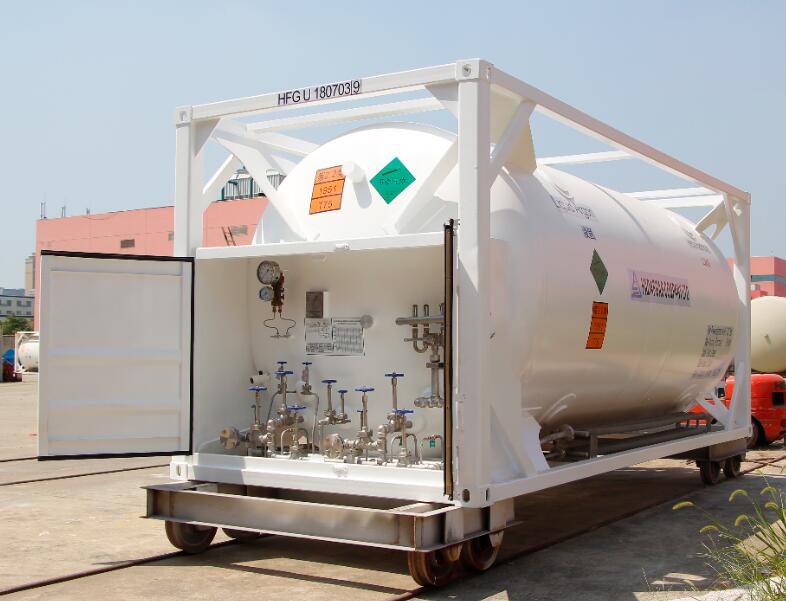
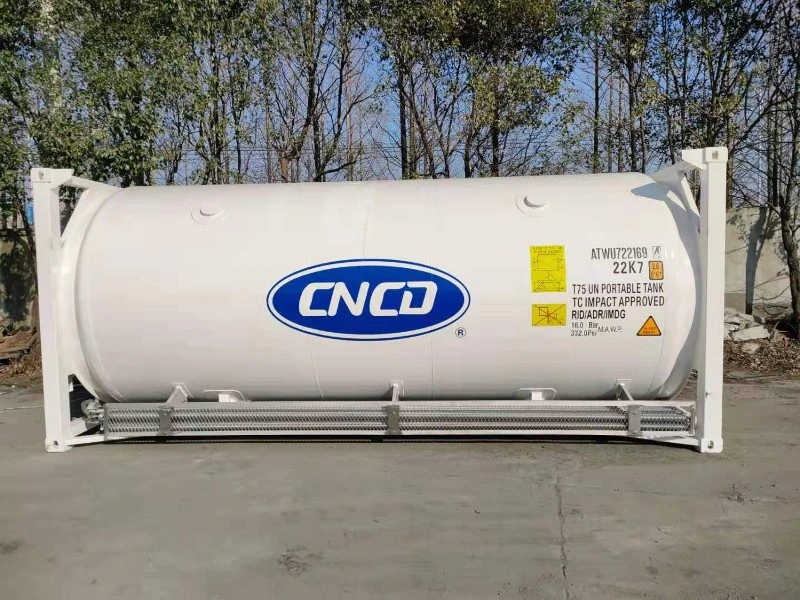
Tank container with frame: This tank container has an external frame and is usually made of stainless steel. Its dimensions and storage and transportation methods are exactly the same as those of a 20-foot international standard container. It is mainly used to transport liquids, chemicals and other liquid goods.
Tank container without frame: This tank container has no external frame, but its internal structure is similar to that of a tank container with frame. It is mainly used to transport the same liquid or gaseous goods, but may not be as convenient as a tank container with frame in storage and transportation.
Use differences
Tank container with frame: Due to its external frame, this tank container is more stable during transportation and is suitable for long-distance transportation and conversion of multiple modes of transportation (such as sea, rail and road transportation). It is usually used for the transportation of goods that require high-strength protection and stability.
Tank container without frame: Due to the lack of an external frame, this tank container may require more protective measures during transportation and is suitable for short-distance transportation or goods that need to be used in specific environments. They are usually used for the transportation of liquid goods that require specific temperature control or protection measures.