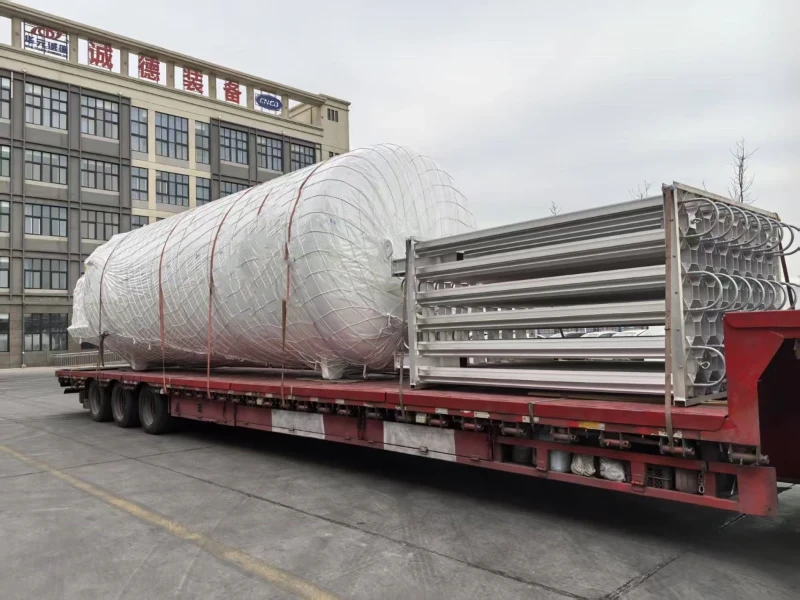
Carbon dioxide storage tanks can be used in the food industry
1. Beverage production field
- Carbonated beverages: Carbon dioxide is the core raw material of carbonated beverages, providing beverages with unique foam effects and taste. In the process of carbonated beverage production, by accurately controlling the filling amount and pressure of carbon dioxide, carbonated beverages with different tastes and flavors can be produced to meet the diverse needs of consumers.
- Juice beverages: Carbon dioxide can be used for the carbonation of juice beverages to increase the refreshing taste and bubble feeling of the beverage. At the same time, carbon dioxide also has a certain antibacterial effect and can extend the shelf life of juice beverages. For example, in the carbon dioxide storage method of filling large cans of juice, the carbon dioxide pressure is 0.7MPa (gauge pressure) and the temperature is controlled below 15°C. During the storage period of several months, the sensory quality of the juice is good, the nutritional components remain basically unchanged, and the contaminating bacteria are effectively controlled.
2. Food preservation field
- Fruit and vegetable preservation: Controlled atmosphere storage is the most advanced fruit and vegetable preservation storage method today, and carbon dioxide plays an important role in controlled atmosphere storage. Under low oxygen and appropriate carbon dioxide concentration conditions, the respiration of fruits and vegetables can be greatly inhibited, the reproduction and survival of harmful bacteria can be inhibited, decay can be reduced, the excellent flavor and aroma of fruits and vegetables can be maintained, the ripening and aging process can be delayed, and the storage period and shelf life can be extended. For example, garlic sprouts can be stored for 240-270 days under controlled atmosphere storage, and apples can be stored for 180-240 days.
- Baked food preservation: For baked foods such as bread and soft snacks, carbon dioxide can effectively inhibit mold growth, prevent food from hardening, and extend the shelf life. Compared with liquid nitrogen, carbon dioxide can more effectively extend the shelf life of baked foods, which can be extended to 1 month.
3. Food processing field
- Dairy processing: In the production of bifidobacterium dairy products, the introduction of carbon dioxide to maintain a certain pressure can not only form a strict anaerobic environment that is conducive to the growth and reproduction of bacteria, but also reduce the requirements for equipment. The number of live bacteria is increased by more than 10% compared with static culture, and the fermentation cycle is shortened.
- Food quick freezing: Carbon dioxide quick freezing technology has the characteristics of low temperature and fast freezing. In an insulated freezer, liquid carbon dioxide is sprayed directly onto the food, causing it to freeze instantly and pass rapidly through the maximum ice crystal formation zone of 0-5℃. The ice crystals generated are numerous and small, which does not damage the food structure and can preserve the freshness before freezing. For unpackaged small-sized food, the freezing time is 4-8 minutes, and about 0.5-2.0 kg of carbon dioxide is consumed per kilogram of food.